The baht, cash and getting money out
Thailand's currency is the baht (THB, written ฿), with notes in 20, 50, 100, 500 and 1,000 and small coins below that. The big practical issue is not the denominations but the change: vendors, taxi drivers and market stalls rarely break a large note, so break big bills at a convenience store or a mall and hoard your small notes for stalls, boats and tuk-tuks. Cash is still king for street food, markets, taxis and small family shops, while malls, hotels and chains take cards happily.
ATMs are on nearly every corner, but Thai banks typically levy a flat fee on foreign-card withdrawals on top of whatever your home bank charges. The fix is simple: withdraw a larger amount in one go rather than dribbling out small sums. When the machine offers to convert to your home currency, always decline and let your own bank do the conversion — the on-machine 'dynamic currency conversion' rate is consistently worse. The same applies at card terminals in shops.
In-town currency exchange in Bangkok is excellent and usually beats home-country bureaus and the airport counters; dedicated exchange chains in the city give sharp rates and move fast. Crisp, unmarked foreign bills get the best rate, and some counters ask to see your passport, so keep a copy handy. Always carry a small float of cash even on a card-heavy day, because the best food and the markets run on baht in hand.
- Decline 'dynamic currency conversion' at every ATM and card terminal.
- Withdraw a larger amount at once to spread the flat foreign-card ATM fee.
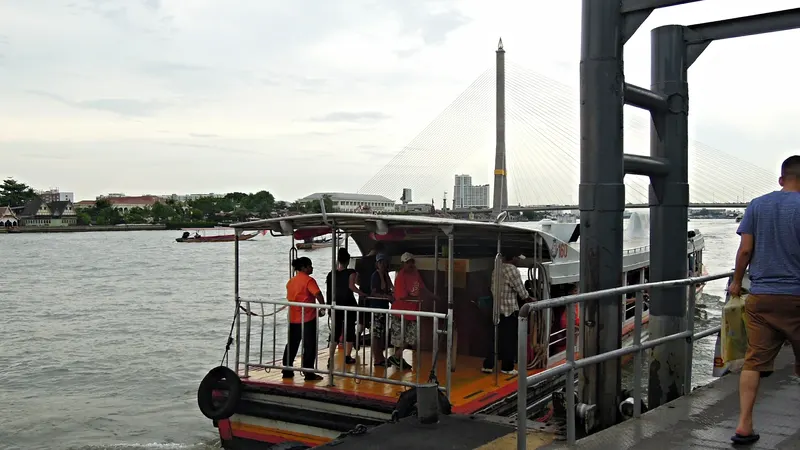
- Keep small notes for taxis, street food, boats and tuk-tuks.
- In-town exchange chains beat the airport; bring crisp bills and a passport copy.

Watch out
Decline 'dynamic currency conversion' at ATMs and card terminals; watch for refused taxi meters and gem/tailor 'special deals'
Book ahead
Tipping is optional and modest, not the 15–20% expected back home — rounding up or leaving small change is plenty
Cards, QR and going cashless
Bangkok is rapidly going cashless in its modern corners. Malls, hotels, supermarkets, chain cafés and most sit-down restaurants take Visa and Mastercard without fuss, though some add a small surcharge on foreign cards, which is worth asking about for big purchases. Amex is patchier, so do not rely on it as your only card. The realistic setup for most travelers is a low- or no-foreign-fee debit card for ATM withdrawals plus a credit card for malls and hotels — and a second card on a different network in case one is blocked or eaten by a machine.
The local payment hero is PromptPay, a QR system tied to Thai bank accounts and used everywhere from noodle carts to taxis. Foreign visitors can increasingly tap into it through certain travel-card and wallet apps, but coverage for tourists is uneven, so treat QR as a bonus rather than your main plan. Street food, wet markets and many small family restaurants remain cash-only — the charm of a Chinatown food crawl or an upcountry floating market runs entirely on baht in hand.
Notify your bank before you travel so a foreign transaction is not flagged and blocked, and keep your cards split between your wallet and the hotel safe so a single loss is not a crisis. A working data SIM is part of the money kit too, since it powers the ride apps, banking apps and any QR payment you attempt.
- Carry two cards on separate networks in case one is blocked or eaten.
- Expect a small surcharge on some foreign-card purchases — ask first on big buys.
- PromptPay QR is everywhere locally but not yet seamless for tourists.
- Assume markets and street stalls are cash-only; notify your bank before you fly.
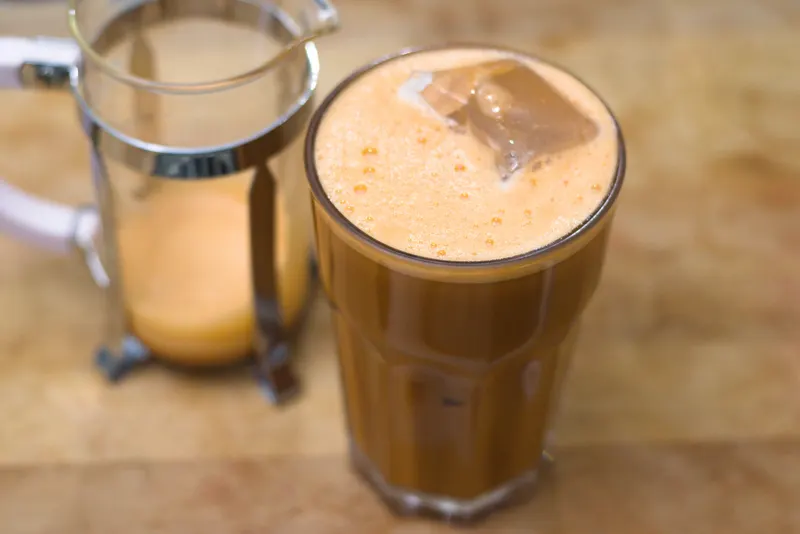
Tipping without overthinking it
Tipping in Thailand is relaxed, optional and modest — nothing like the obligatory percentages back home. No one will chase you down for leaving nothing, and locals often simply round up. The friendly default is to leave a small token where service was good and skip it where it was not, without guilt either way.
At restaurants, check the bill first: mid-range and upscale places frequently add a service charge plus VAT, in which case you have already tipped and need do nothing more. At simpler spots, leaving the coins from your change or a small note is generous and appreciated. For street food and hawker stalls, tipping is not expected at all. For taxis, rounding up to the next note is normal and easy.
The people who genuinely value a tip are spa therapists, hotel porters and tour guides: a little something for a good massage, a small note per bag for porters, and a few hundred baht for a guide who made your day. Hand tips directly and with a smile rather than leaving cash lying around — it is warmer, and it makes sure the right person receives it.
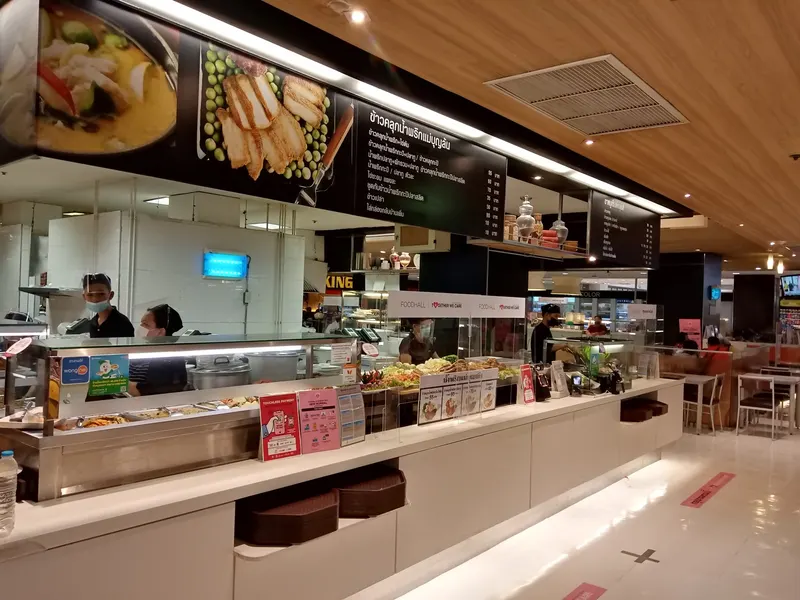
- Restaurants with a service charge already added: no extra tip needed.
- Casual eateries: leave the loose change or a small note.
- Taxis: round up to the nearest note; street food: no tip expected.
- Spa, porters and guides are the people who most value a small tip.
Money & budget FAQ
Should I use cash or card in Bangkok? Both. Carry cash for street food, markets, taxis and small shops, and use cards or QR in malls, hotels and chains. Always keep a small cash float even on a card-heavy day.
How much should I tip? Tipping is optional and modest — round up taxi fares and leave small change at casual restaurants. If the bill already includes a service charge, you have tipped. Spa staff, porters and guides appreciate a small extra.
How do I avoid ATM fees? Withdraw a larger amount in one go to spread the flat foreign-card fee, always decline 'dynamic currency conversion', and carry a second card on a different network as backup.
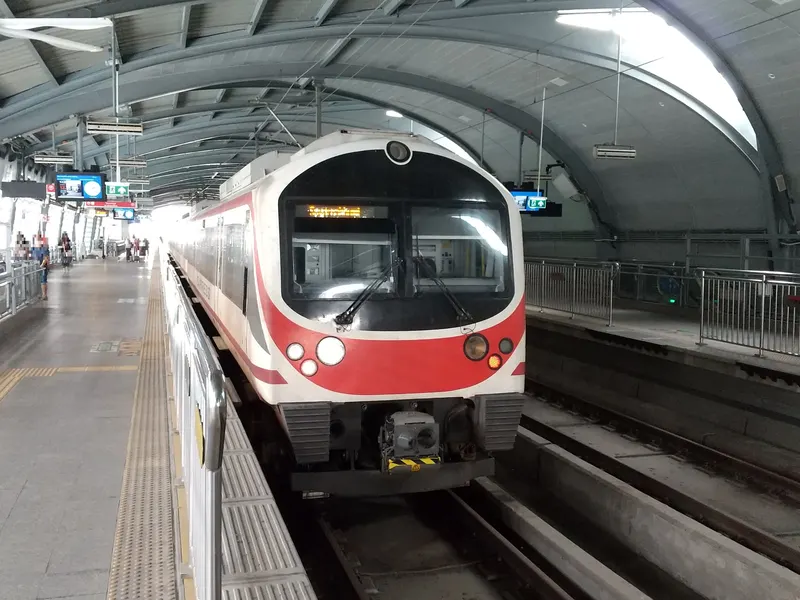
Is Bangkok expensive? No, it is one of the better-value big cities in Asia if you eat at stalls and ride the trains and boats. Rooftop bars, fine dining and luxury hotels are where costs climb.
What's the best way to get baht? In-town exchange chains usually beat the airport counters and home bureaus; ATMs are convenient but carry a per-withdrawal fee, so withdraw larger amounts less often.
Sources
- Bank of Thailand ↗
Official source for current banknotes and coins of the Thai baht.