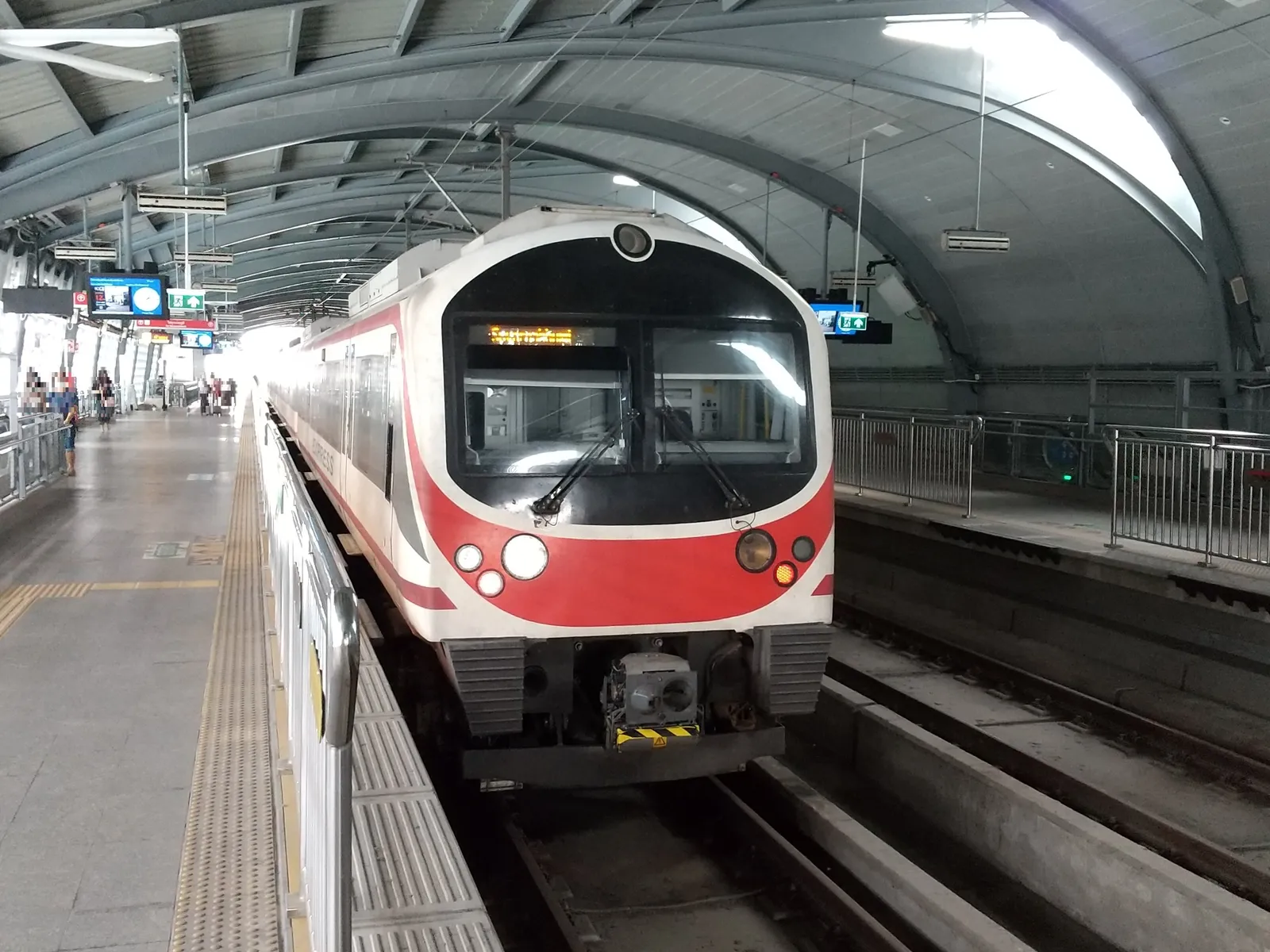
The big picture: stack rail, river and ride-hailing
Bangkok is huge, hot and famous for traffic, so the trick is not picking one mode — it is stacking them. The two rail systems handle the long crosstown distances, the river handles the historic Old Town, and a ride-hailing app fills the gaps the trains do not reach. Once that clicks, a sprawling city shrinks to a very manageable size, and the gridlock everyone warns you about stops being your problem.
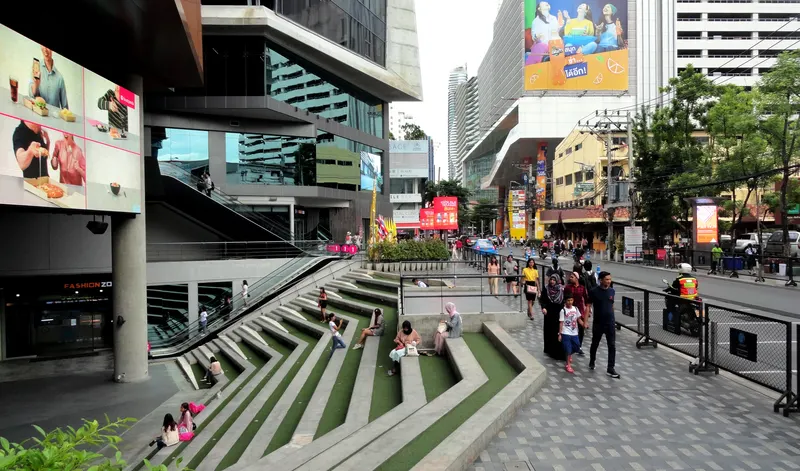
Think of it geographically. The modern, vertical Bangkok of malls, hotels and rooftop bars sits along the BTS and MRT through Siam, Sukhumvit, Silom and Sathorn. The old, low, temple-filled Bangkok sits along the river in Rattanakosin and Thonburi, where there is no train but there is a boat. Match your mode to where you are going and you will rarely sit in a jam. A realistic day pairs them — BTS to a river pier, an express boat up to the temples, then a short Grab back when your feet give out.

- Modern districts (Siam, Sukhumvit, Silom, Sathorn): BTS or MRT.
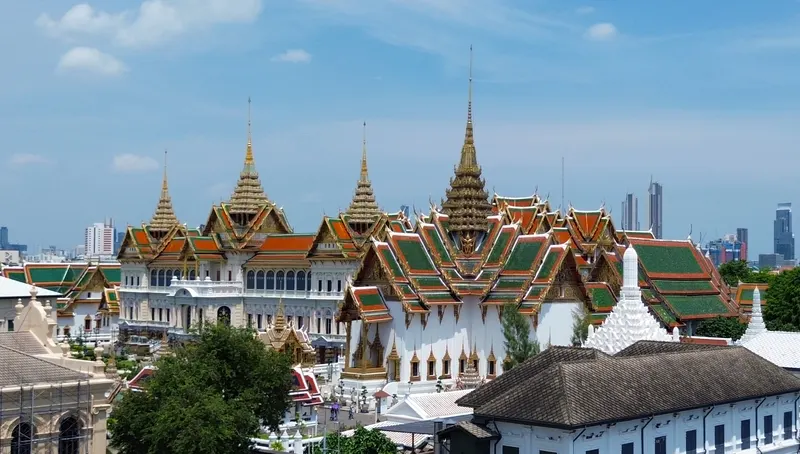
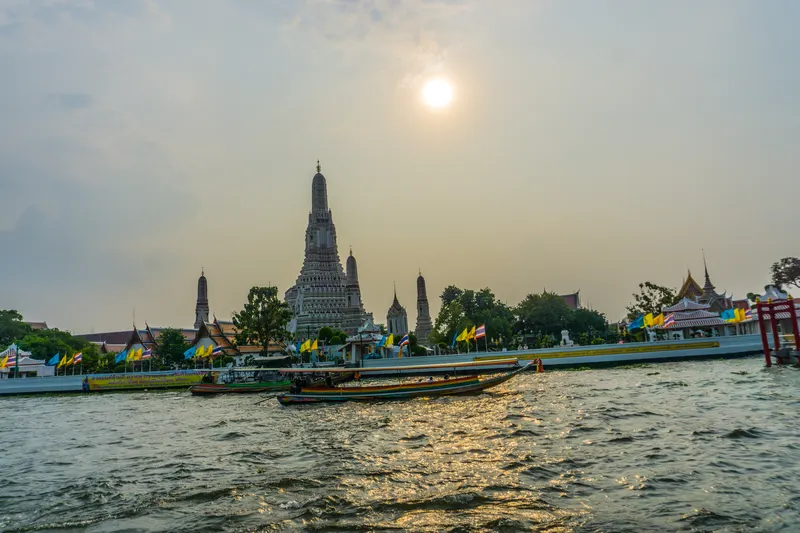
- Old Town and river temples (Grand Palace, Wat Pho, Wat Arun): Chao Phraya boat.
- Anywhere the rail misses, or after midnight: Grab or another ride app.
- Last kilometer down a long soi: a motorbike taxi from the corner stand.

Cash & cards
BTS gates accept contactless bank cards or a Rabbit stored-value card; the MRT Blue and Purple lines moved fully to EMV contactless from 1 June 2026 (tap a Visa/Mastercard/UnionPay card or the new Mangmoom EMV card — the old MRT/MRT Plus cards and tokens were discontinued); boats and buses run on cash — carry small notes
BTS Skytrain and MRT subway
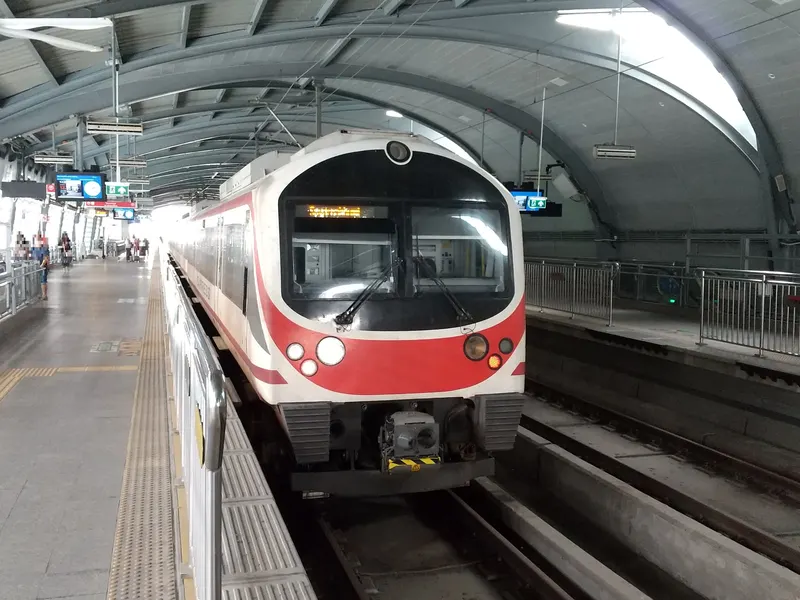
The BTS Skytrain runs on elevated tracks above the main avenues, while the MRT runs underground; together they cover most of the places a visitor wants to go. Both are clean, frequent and gloriously air-conditioned — a real relief when the pavement outside is baking. The BTS does the heavy lifting through Siam, Sukhumvit and Silom, where the hotels, malls and nightlife cluster; the MRT becomes essential for Chinatown, the Old Town's edge and the weekend market at Chatuchak.
The two systems are run by different operators, which matters mostly for ticketing — they do not share a single ticket — but they interchange at several stations, so you can plan a trip that hops from one to the other with a short walk through a linked concourse. On the BTS you can tap a contactless bank card straight at the gate, or carry a Rabbit stored-value card; the MRT uses its own card or token. Both run from early morning until around midnight, so check last-train times if you are out late.
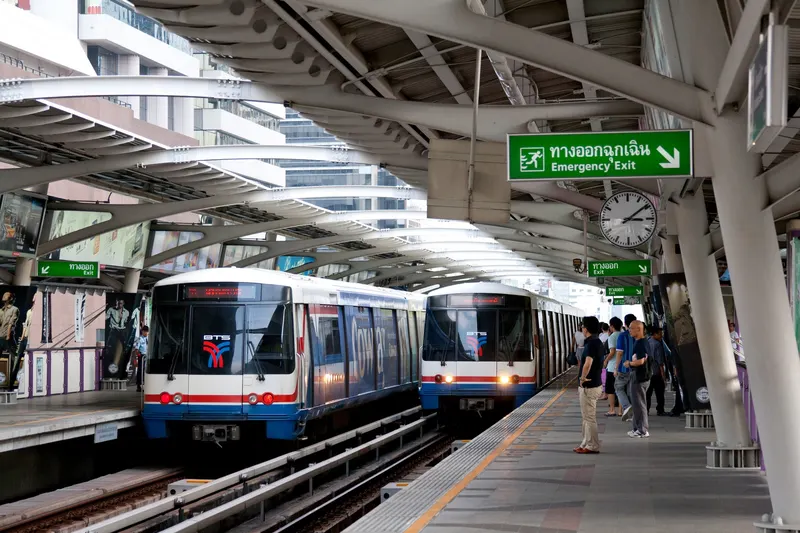
- BTS = elevated; MRT = underground. They interchange but use separate tickets.
- Siam is the central BTS interchange and the easiest landmark to navigate from.
- Tap a contactless bank card at BTS gates, or use a Rabbit card; the MRT has its own card/token.
- Both run roughly early morning to midnight; avoid the 8–9am and 5–7pm crush for a seat.
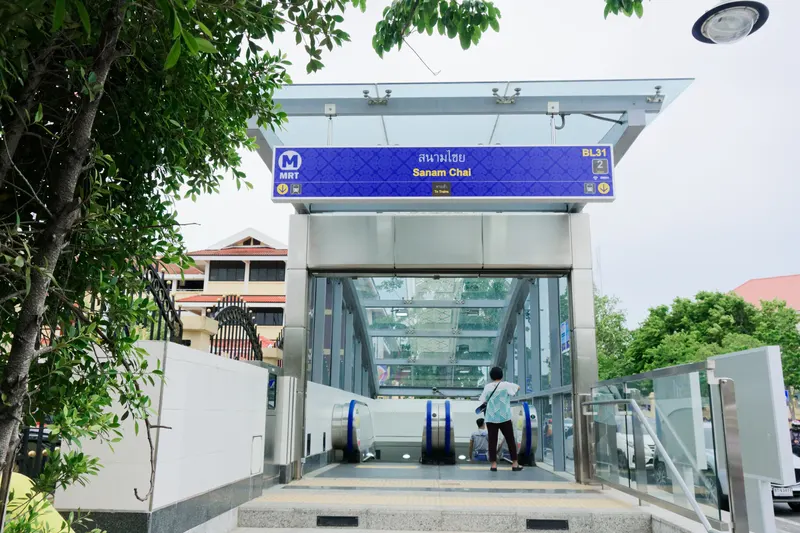
The river: express boats and ferries
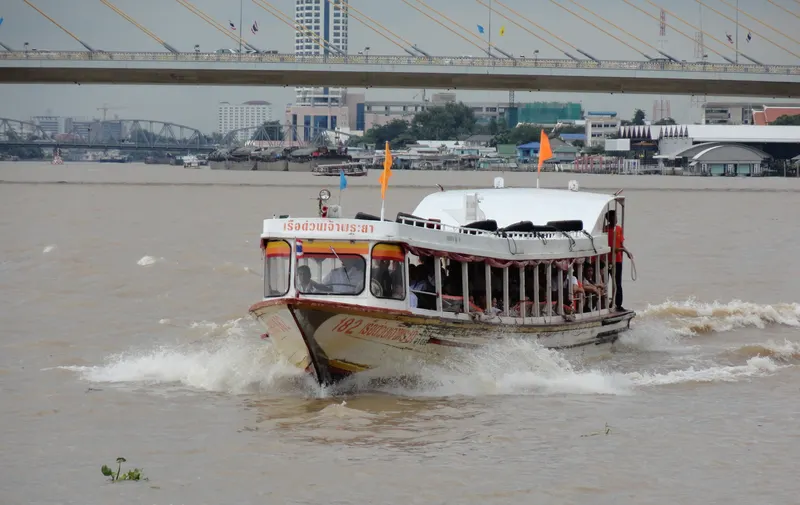
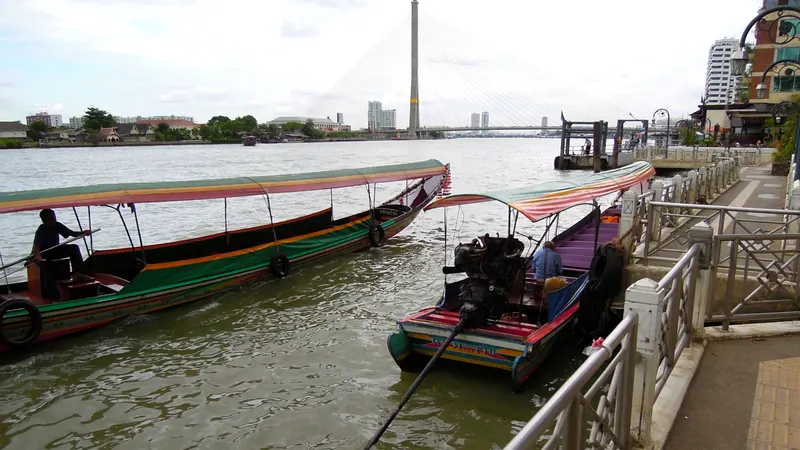
The Chao Phraya River is its own transit line, and it is the only practical way to thread the Old Town's temples, which have no station nearby. The workhorse is the flag-coded express boat, which stops at the main piers from the Skytrain connection at Saphan Taksin up past the Grand Palace, Wat Pho and Chinatown. There is also a pricier tourist boat with English commentary and a hop-on-hop-off day pass, and tiny cross-river ferries that shuttle you over to Thonburi and Wat Arun in a minute or two.
Boats run during the day and thin out by early evening, so save the river for daylight and switch to a Grab after dark. The breeze off the water is a relief in the heat, and a late-afternoon run upstream into golden hour is one of the great cheap pleasures of the city. Pay the conductor on board with small notes, and read the flag at the stern before you board, since some colors are rush-hour expresses that skip the central tourist piers.
- Catch boats at Sathorn / Central Pier, right under BTS Saphan Taksin.
- The orange-flag express boat is the cheap all-day workhorse for the temple piers.
- Cross-river ferries to Thonburi and Wat Arun cost only a few baht.
- Boats wind down by early evening — plan a different ride home.
Cards, fares and taxis
Paying is the only mildly fiddly part, and you have options. The simplest for a short visit is to tap a contactless Visa or Mastercard straight at the BTS gates; otherwise a Rabbit stored-value card saves you queuing at the machines if you will ride the Skytrain a lot. The MRT runs on its own separate card or single-journey token — the Rabbit does not work there, and vice versa, so do not assume one card covers both systems. Boats, buses and motorbike taxis run on cash, so always carry small notes.
For door-to-door trips, open a ride app rather than flagging a street taxi: Grab is the dominant one, with others competing on price, and all show a fixed fare upfront so you skip the haggling. Metered taxis are plentiful and cheap when the meter is actually running — insist on it, or wave the car on. Tuk-tuks are a fun once-a-trip novelty with a negotiated price, not a transport strategy, while the orange-vested motorbike taxis at the mouth of long sois are the genuinely useful last-leg shortcut.
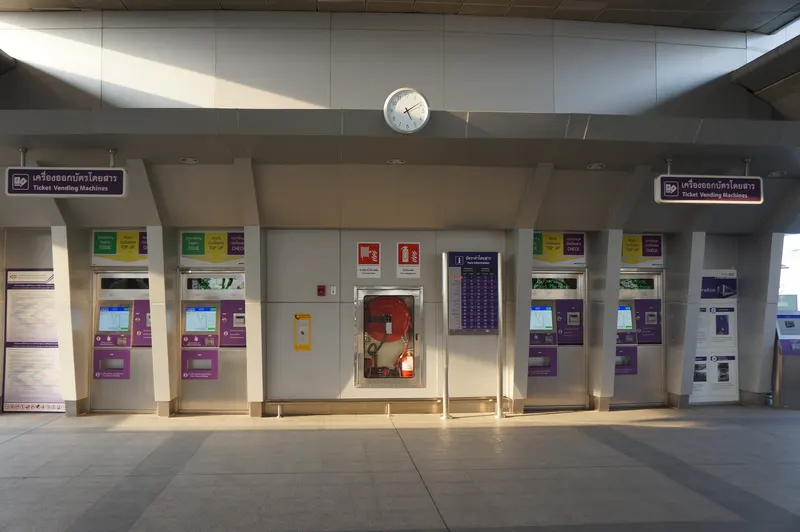
- BTS: contactless bank card or a Rabbit card. MRT: its own card or token.
- Boats, buses and motorbike taxis: small cash only.
- Grab and other apps show a fixed fare upfront — the lowest-stress road option.
- Insist on the taxi meter; treat tuk-tuks as a novelty, not a plan.
Frequently asked questions
What is the best way to get around Bangkok? Stack the systems: BTS and MRT for crosstown distance, the Chao Phraya boats for the Old Town and river temples, and a ride-hailing app for the gaps. That combination beats sitting in traffic almost every time.
Do I need a Rabbit Card? Only if you will ride the BTS heavily for several days. For a light user, tapping a contactless bank card at the gate or buying single tokens is simpler and avoids the deposit. The Rabbit does not work on the MRT.
Can I use one card for everything? No. The BTS, MRT, Airport Rail Link and river boats run on separate systems. Carry a contactless card or Rabbit for the BTS, an MRT card or token, and small cash for boats and buses.
How late do the trains run? Roughly until midnight. Plan a Grab home from late dinners and rooftop bars, and check last-train times if you are cutting it fine.
Sources
- BTS Skytrain (official) ↗
Official BTS lines, fares, hours and Rabbit Card information.
- MRT (official, BEM) ↗
Official MRT Blue/Purple line maps, fares and operating hours.
- MRTA EMV contactless (from 1 June 2026) ↗
Official MRTA notice on the switch to EMV contactless fare payment.