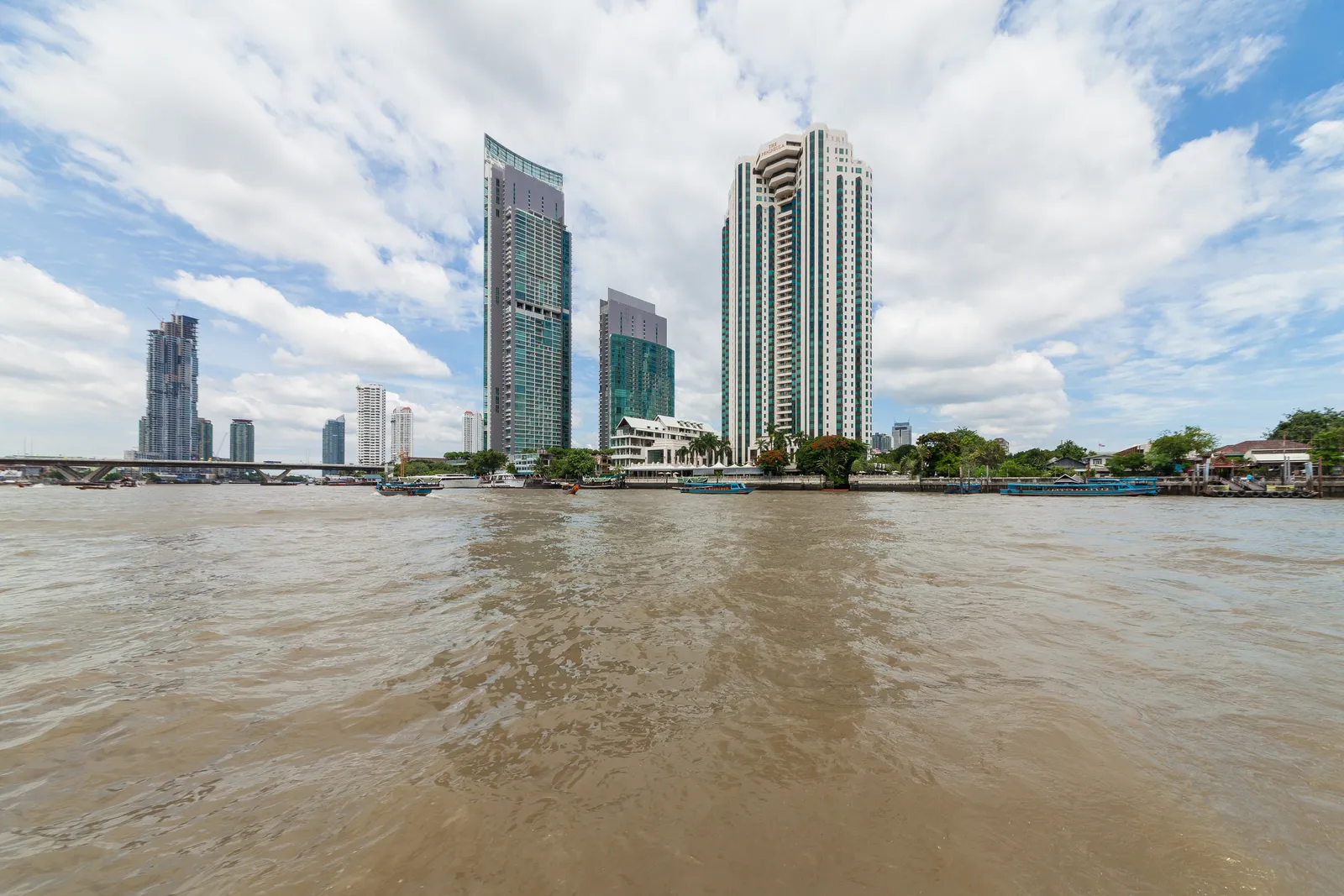
- Getting there
- Chao Phraya Express boat (orange flag
- Price
- Mid-range and boutique heritage hotels and guesthouses
- Best for
- Temple-focused first-timers
What Rattanakosin is, and who should stay here
Rattanakosin is the royal and spiritual heart of Bangkok — the old island, ringed by canals, where the city was founded and where its most famous monuments still stand within walking distance of one another. The Grand Palace and Wat Phra Kaew, Wat Pho with its giant Reclining Buddha and, just across the water, Wat Arun all sit here, alongside the National Museum, the breezy climb of the Golden Mount and a tangle of old shophouse streets. This is temple-and-monument Bangkok: low-rise, intense and best taken slowly on foot, ideally in the cool of the early morning.
Basing yourself here makes sense if your trip is built around temples, museums and old-city atmosphere, and if you would rather wake up among the monuments than commute to them. The trade-off is transport. There is no Skytrain through the island and only the southern fringe touches the MRT, so you move by river boat, by taxi or on foot. For a culture-first first trip that is a fair deal; for nightlife, malls and a wide dining choice, the modern east of the city serves you better.
Just north, Banglamphu and the famous Khao San Road bring backpacker energy, cheap eats and late-night buzz, while quieter Thewet and the grand boulevards of Dusit sit a little further up the river. The whole zone is compact and walkable — but it is the kind of walking you want to do before the sun is high.
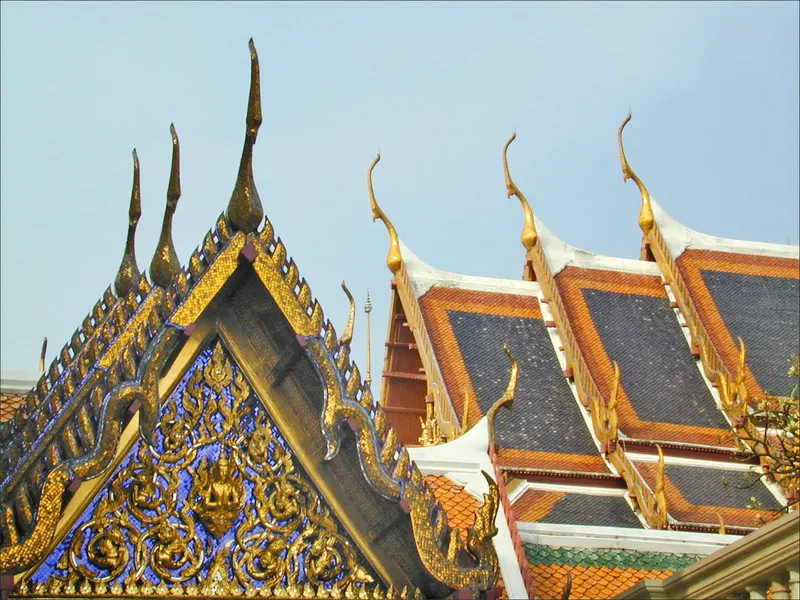
- Best for temples, palaces, museums and old-city atmosphere on foot
- Low-rise and exposed — a cool-morning, front-loaded zone
- Mostly small, heritage and boutique stays rather than big-brand towers
- Nearest river stops: Tha Chang and Tha Tien piers; MRT Sanam Chai at the southern edge

Watch out
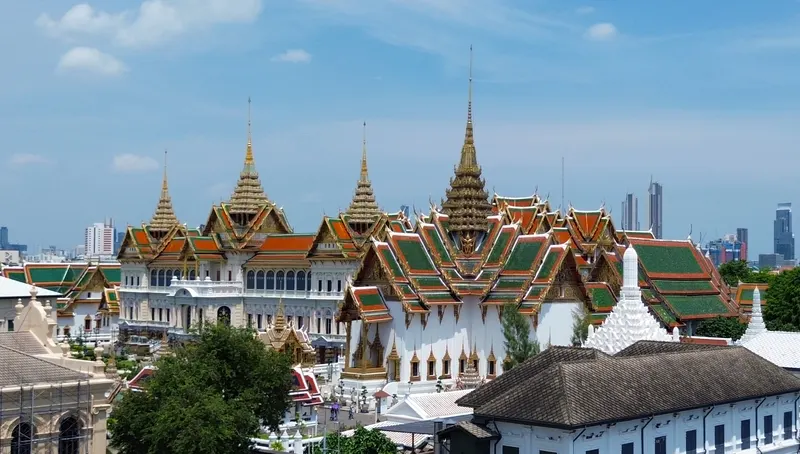
Around the Grand Palace, ignore well-dressed strangers who say it is 'closed today' and steer you to a gem shop or a tuk-tuk tour — the official entrance is always open during posted hours
Book ahead
Hotels here are mostly small and heritage-style; book early in the cool season and confirm whether a property has a pool or only fan rooms
Find your bearings
Map pins
Map data © OpenStreetMap contributors · Tiles © OpenFreeMap
The temples and museums, in a heat-smart order
The classic Rattanakosin morning runs the headline trio in sequence. Start at the Grand Palace and Wat Phra Kaew right at opening — it is the busiest site in Thailand and the only way to enjoy it is to beat the tour buses. From there it is a short walk to Wat Pho for the Reclining Buddha and a quieter, more relaxed temple complex, then a two-minute cross-river ferry from Tha Tien pier to Wat Arun, whose porcelain-studded spire is at its best in late-afternoon light. If you only have a morning, that is the loop.
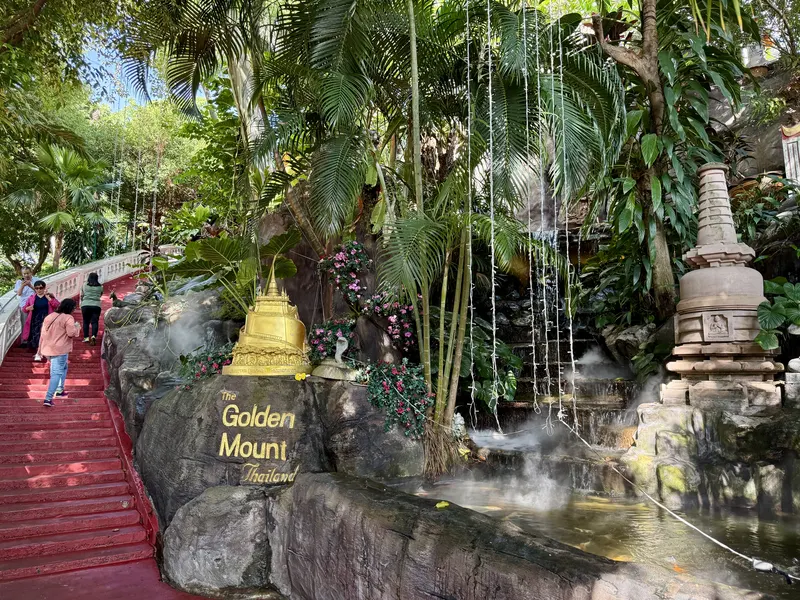
When the heat peaks around midday, the Old City has its own air-conditioned escapes. The National Museum and Museum Siam tell the story of the country and the city respectively; both make excellent heat or rain breaks within the island. For a breezy non-temple stop, the Golden Mount (Wat Saket) rewards a short climb with an open Old City panorama, and the flower market at Pak Khlong Talat near the southern edge is a quiet, photogenic wander.
Temples here are working religious sites, so dress to cover shoulders and knees and be ready to remove your shoes inside the halls. Carry water, and do not try to cram a dozen temples into a day — pick the headline ones, do them properly, and leave the rest for a return trip.
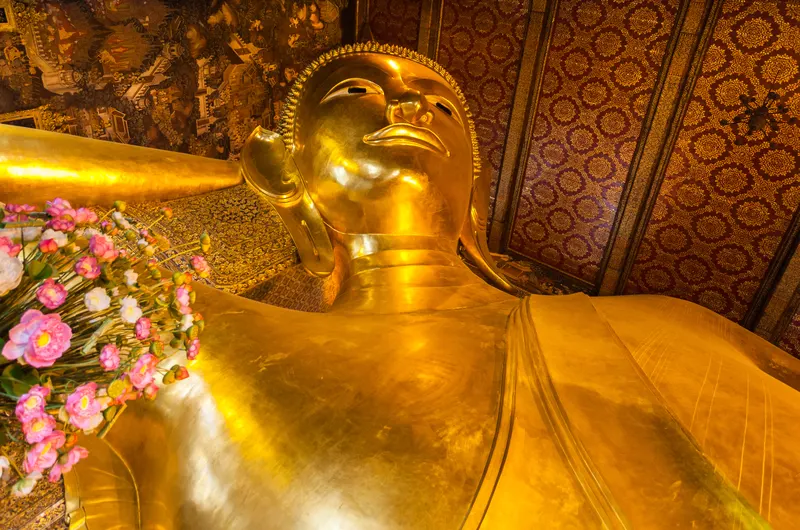
- Grand Palace and Wat Phra Kaew at opening, before the heat and the buses
- Wat Pho next, then a cross-river ferry to Wat Arun for golden hour
- Golden Mount for a breezy Old City panorama on a short climb
- National Museum and Museum Siam as cool midday retreats
Getting in, getting around and the transport trade-off
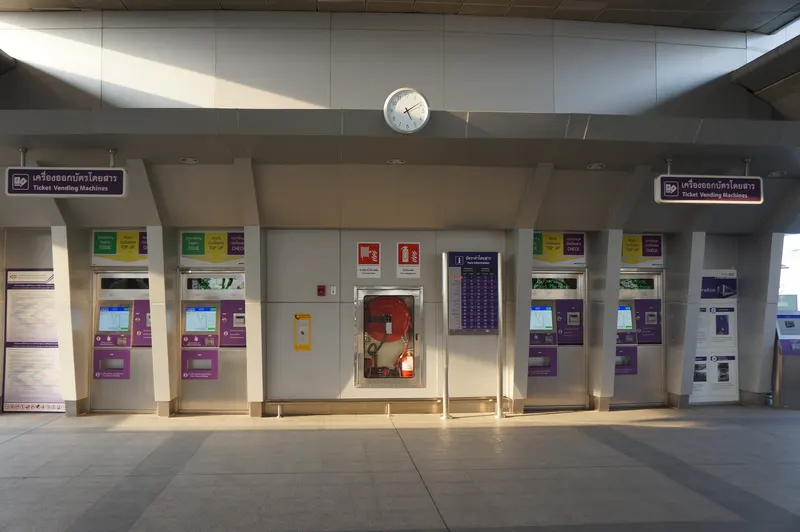
The single most useful trick in Rattanakosin is to arrive and leave by water. The orange-flag Chao Phraya Express boat is cheap, scenic and drops you at Tha Chang (for the Grand Palace) and Tha Tien (for Wat Pho and the Wat Arun ferry); it connects to the BTS at Saphan Taksin / Central Pier, so you can chain a river morning onto a modern-city base. The MRT Blue Line now reaches the southern edge of the island at Sanam Chai, which is the easiest rail approach if you are coming from Chinatown or Sukhumvit.
What does not work well here is the taxi at the wrong time of day. The Old City has narrow streets and few trains, so an afternoon cab across town can vanish into traffic. If you are staying on the island, plan your outbound trips around the boat and the early hours; if you are visiting for the day, come in on the river or the MRT, not by taxi at rush hour. Tuk-tuks are everywhere and fine for a short hop, but agree the fare first and treat any offer of a cut-price 'temple tour' with suspicion.
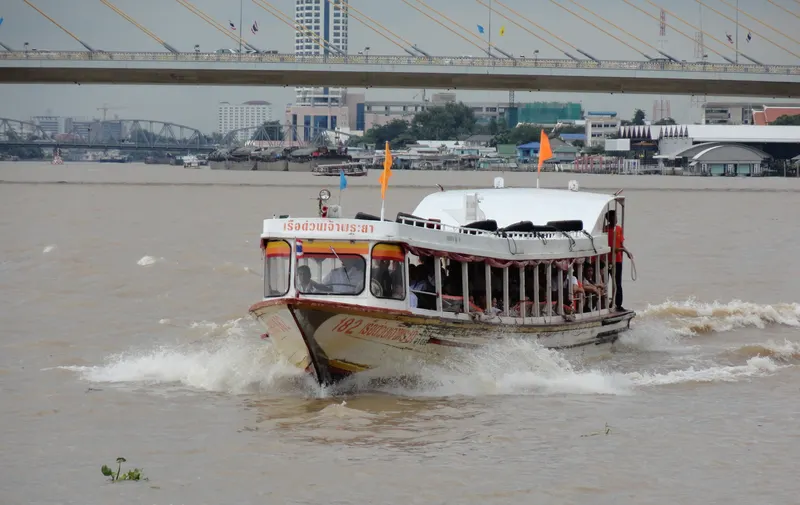
- Arrive by Chao Phraya Express boat (Tha Chang / Tha Tien) or MRT Blue Line (Sanam Chai)
- The river connects to the BTS at Saphan Taksin / Central Pier
- Avoid crossing the city to or from here by taxi at rush hour
- Agree tuk-tuk fares up front and skip the 'temple is closed' tour pitch
Where to stay, and how the days fit together
Accommodation in Rattanakosin runs small and characterful rather than corporate: restored shophouse boutiques, heritage guesthouses and a handful of riverside hotels with skyline views back toward the temples. There are very few big-brand towers on the island itself, so if a pool, a gym and a buffet breakfast matter to you, check each property carefully or look just across the river. Book ahead in the cool season (November to February), when this is the most sought-after corner of the city.
Plan your trip so the island gets its cool mornings. A common rhythm is to give Rattanakosin a full temple morning, retreat to a museum or a riverside café through the worst of the heat, then drift down the river at golden hour for Wat Arun and a sunset before heading out for dinner. Pair the Old City with Chinatown one evening — it is a short hop south — and with the Thonburi canals across the water for a slower, greener half-day.
If you would rather not sleep this far from the trains, a strong compromise is to base near the river at Saphan Taksin or in a transit-friendly central area and treat Rattanakosin as a boat-served morning. Either way, the island is the cultural anchor of any first Bangkok trip; the only real decision is whether you want to wake up inside it.


Sources
- Chao Phraya Express Boat (official) ↗
Flag lines, piers and flat fares; the orange line runs Nonthaburi–Rajsingkorn at 19 THB.
- MRT Bangkok (MRTA) ↗
Blue Line stations and hours; Sanam Chai (BL31) is the rail gateway to the Old City.
- Grand Palace practical information ↗
Official hours, dress code and the 'closed today' scam, for the headline sight on the island.