The 'temple is closed today' scam
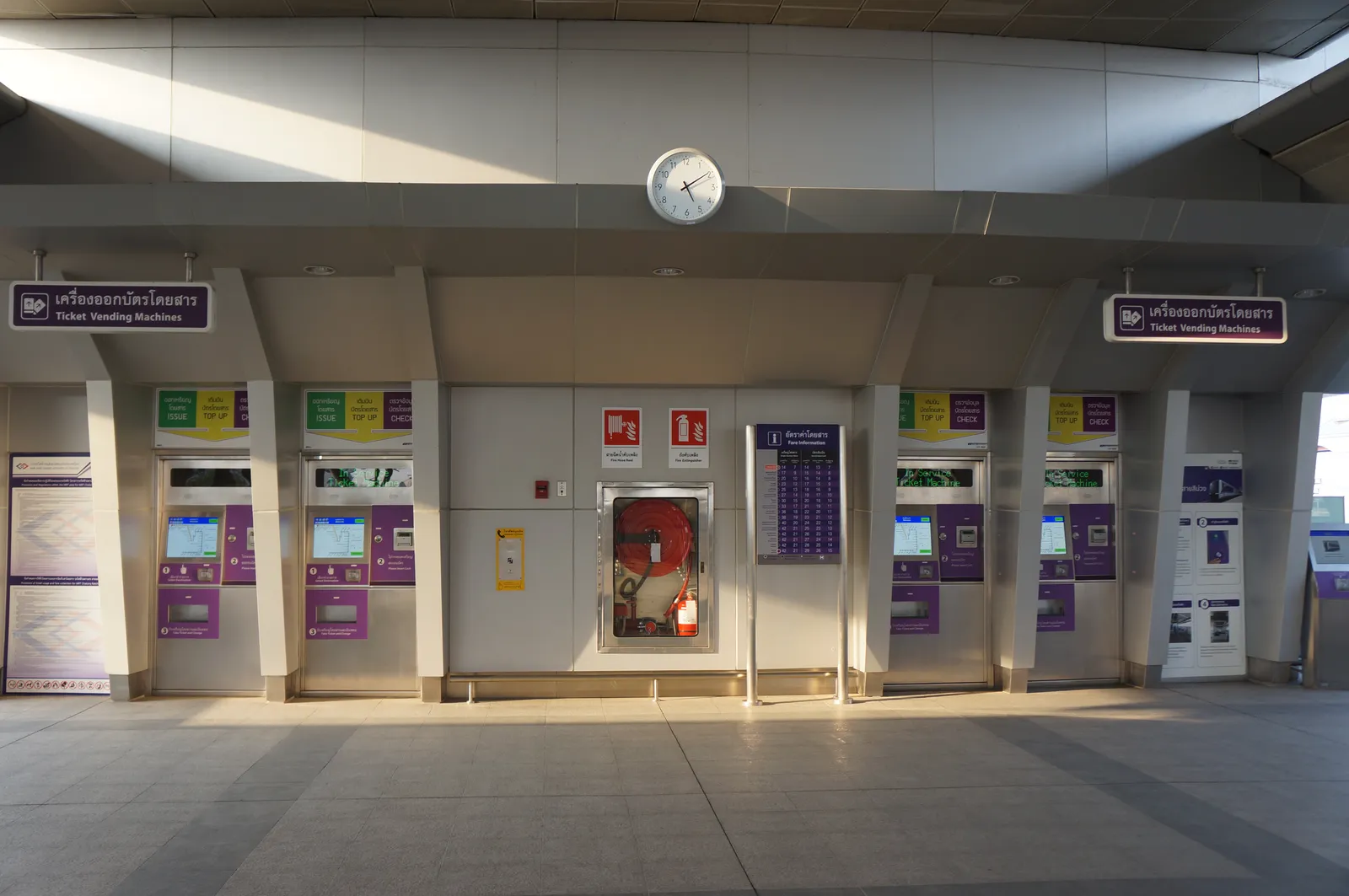
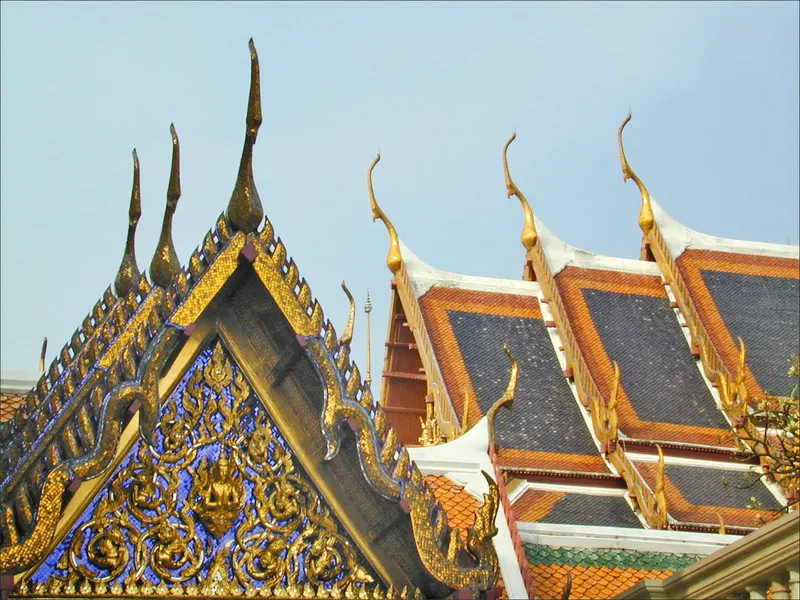
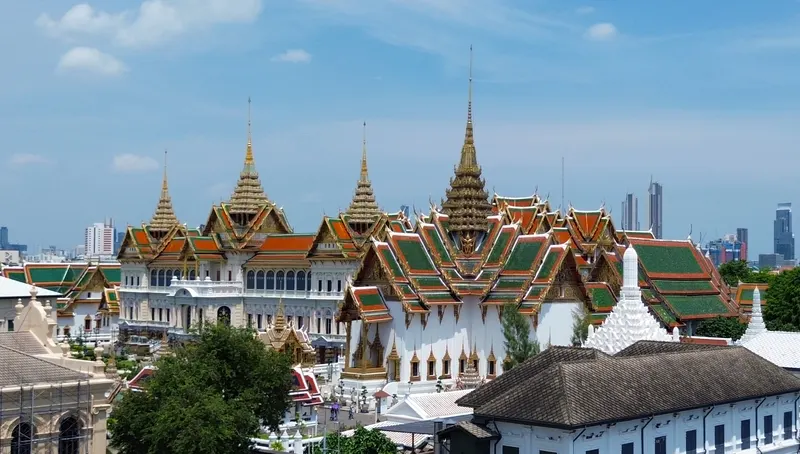
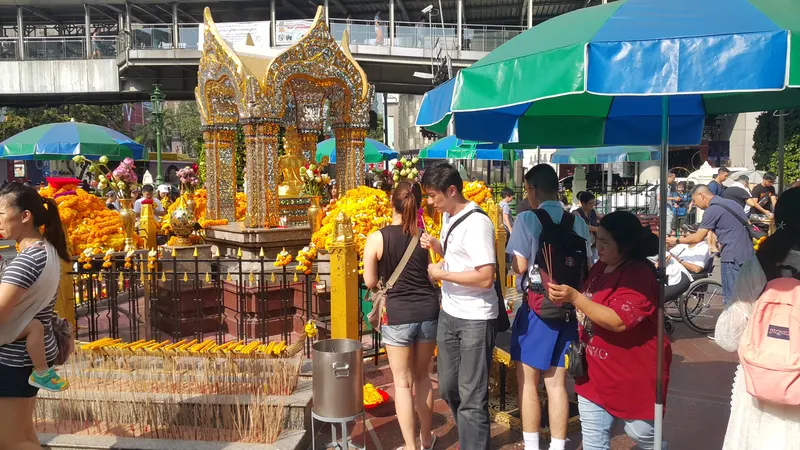
This is the one to know cold. Near the Grand Palace, Wat Pho and other big sights, a friendly, well-dressed stranger approaches and tells you the temple is 'closed today for a ceremony' or 'closed until the afternoon'. He helpfully flags a tuk-tuk that will take you on a cheap tour of other temples instead — a tour that just happens to stop at a gem shop or a tailor where the driver earns commission. The temple is open. Walk past the stranger to the official entrance and check for yourself.
The tell is always the same: artificial urgency from someone who approached you, plus a too-convenient solution. Real ticket offices and gates do not send touts into the street to redirect you. The fix is simply to ignore unsolicited 'help' about closures and verify openings on the attraction's official site or by walking to the proper gate. The Grand Palace dress-code and ticketing pages spell out the genuine rules so you know what to expect before you arrive.
None of this should make you anxious. A polite, firm refusal and continuing on your way defeats the entire routine. The scam relies on hesitation; remove the hesitation and it collapses.
- A stranger saying a temple is 'closed today' = a scam. Verify at the real gate.
- Decline the conveniently waiting tuk-tuk and its 'better' temple tour.
- The detour ends at a gem or tailor shop that pays the driver commission.
- Check genuine hours and closures on official sites, not via a tout.
Watch out
The big three: the 'temple is closed today' tuk-tuk gem-shop detour, the refused taxi meter, and inflated bar tabs in nightlife zones
Taxis, tuk-tuks and gem shops
Transport is the other hotspot. Metered taxis sometimes refuse the meter or quote a flat fare; if a driver won't use the meter, wait for the next one or open Grab. Ride apps fix the price up front, record the driver and route, and remove the negotiation entirely, which is why they are the lowest-stress option. Tuk-tuks are the classic vehicle for the gem-shop 'tour' — a suspiciously cheap ride that detours to commission-paying shops — so agree any price first and decline unsolicited tours.
The gem and tailor 'special deal' is its own staple. A friendly local or driver steers you to a shop with a one-day-only government promotion or a closing-down sale; the gems are near-worthless and the bespoke suits overpriced. The common thread is again artificial urgency and a too-good price, both red flags. There is no secret gem bargain that requires a stranger to walk you there.
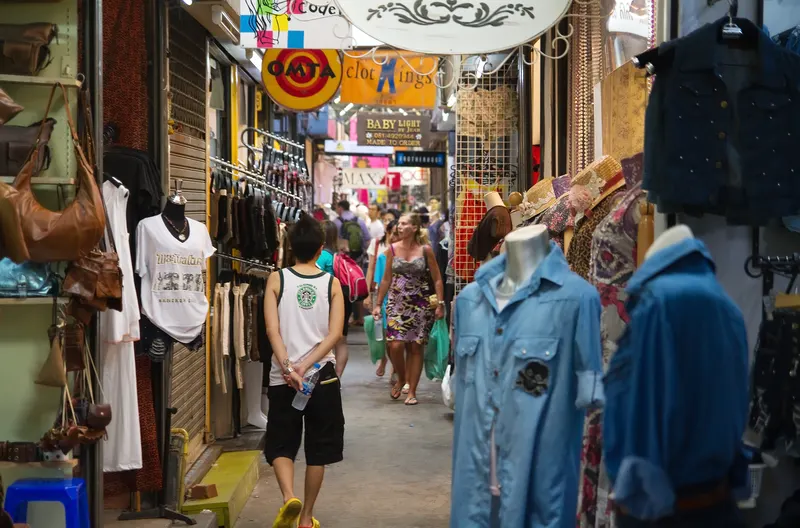
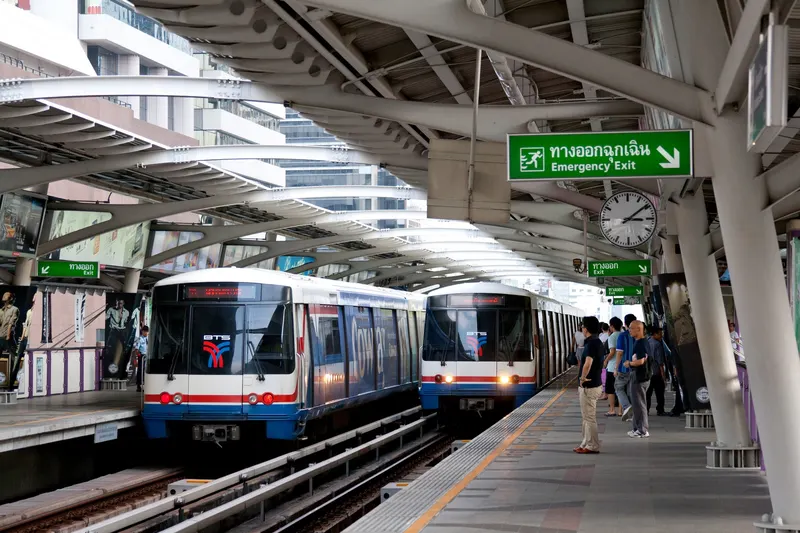
Pickpocketing is uncommon but tightens up in dense crowds — Chatuchak market, packed BTS platforms, Khao San at night. Keep your daypack zipped and in front of you, split cash and cards between pockets, and photograph your passport so a lost original is an inconvenience, not a crisis.

- Insist on the meter, or use Grab/Bolt to lock the price in advance.
- Skip unsolicited gem, tailor and 'special tour' offers entirely.
- Agree any tuk-tuk price first and decline tours with shopping stops.
- Keep bags zipped and forward-facing at Chatuchak and on busy platforms.
Markets, nightlife and the islands
At the popular floating markets and on organised day trips, the issues are usually padding rather than danger: inflated longtail-boat fares agreed too vaguely, pushy souvenir pricing, and 'extra' charges tacked on at the end. Agree boat and tour prices clearly up front, and prefer a reputable booked tour over a curbside deal if you want the logistics handled without surprises.
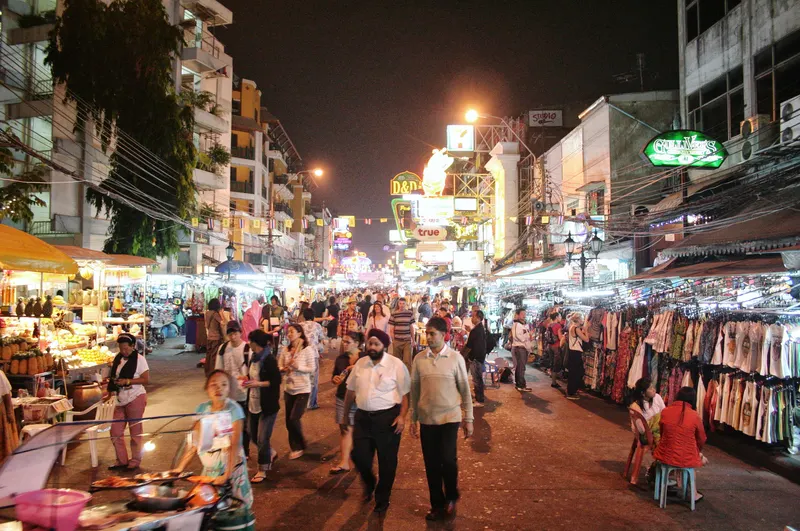
In the nightlife zones — Khao San, the Sois off Sukhumvit, parts of Silom — the risks are the universal ones: overspending, losing track of friends, and the bill at the end of the night. Check tabs line by line, settle prices before joining any pricier or hostess-style venue, and treat a 'free drink, come to this bar' invitation as a commission play that will show up on the bill. Watch your drink as you would anywhere.
A handful of scams belong more to the islands than to Bangkok itself — rigged jet-ski 'damage' claims and the like — but the principle carries: never sign or pay for damage you didn't cause, photograph any rental before you take it, and keep your travel-insurance details handy. Bangkok is broadly safe; the point is to keep your judgment switched on, not to be paranoid.
- Agree floating-market boat and tour prices clearly, up front.
- Check nightlife bills line by line; settle prices before entering pricier bars.
- Treat 'free drink, come to this bar' touts as a commission play.
- Photograph rentals before use and never pay for damage you didn't cause.
Scams & safety FAQ
How do I check if a temple is really closed? Look it up on the attraction's official website, or simply walk to the official ticket office and gate. Never take the word of a stranger who approached you in the street — that is the scam.
What's the most common scam in Bangkok? The 'temple is closed today' tuk-tuk gem-shop detour near the Grand Palace and Wat Pho, closely followed by taxi drivers who refuse the meter.
Is pickpocketing a big problem? It's uncommon but rises in dense crowds — Chatuchak, packed platforms, Khao San at night. A zipped, forward-facing bag and split cash defeat almost all of it.
Are the floating markets a scam? No, but boat and souvenir prices can be padded. Agree fares up front and consider a reputable booked tour for a smoother trip.
What should I do if I'm scammed or robbed? Save the Tourist Police number before you arrive; they handle visitor disputes and reports in English, which you'll need for any insurance claim.

Chatuchak Weekend Market
One of the world's largest weekend markets — thousands of stalls. Go early on a weekend morning to beat the heat and crowds.
Map pins
Map data © OpenStreetMap contributors · Tiles © OpenFreeMap
Sources
- Tourism Authority of Thailand ↗
Official tourism body — guidance and the Tourist Police hotline (1155).