Bangkok's three seasons, in brief
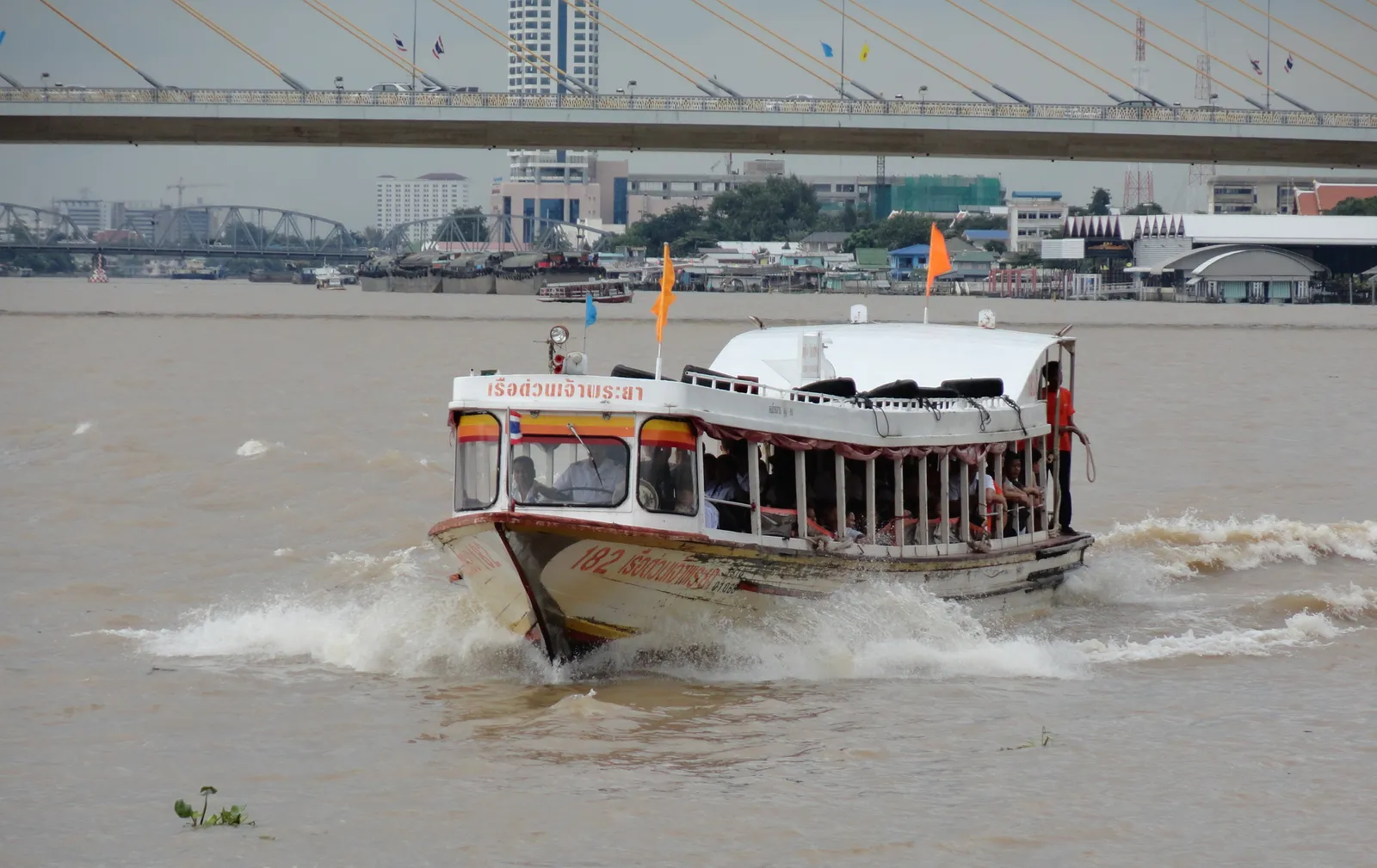
Bangkok sits just north of the equator and rarely dips below the high twenties Celsius, so heat and humidity are the constants you pack around. The year splits into three loose seasons. The cool season runs roughly November to February and is the most comfortable for walking the Old City and sitting on open rooftops; it is also the busiest tourist stretch. The hot season, March to May, is genuinely punishing at midday and peaks around the Songkran water festival in mid-April. The rainy or 'green' season, June to October, brings short, heavy afternoon downpours that usually clear within an hour, leaving the city washed and quieter.
Whichever season you choose, the daily rhythm is the same: do outdoor sights in the cooler morning, retreat into air-conditioning at midday, and come back out in the evening. Packing well is really about making that rhythm comfortable — light clothes for the street, a layer for the cold air-conditioning, and rain or sun protection depending on the month. The best-time and by-month guides break down weather, crowds and festivals so you can choose your dates with eyes open.

- Cool season (Nov–Feb): most comfortable, busiest, best for walking and rooftops.
- Hot season (Mar–May): punishing midday heat; Songkran water festival in mid-April.
- Rainy/green season (Jun–Oct): short heavy afternoon storms, quieter, lush.
- Same daily rhythm year-round: outdoors early, air-con midday, out again at night.
Dress code
Pack one temple-ready outfit: shoulders and knees covered, plus slip-on shoes you can step out of easily
Clothes for the heat (and the air-conditioning)
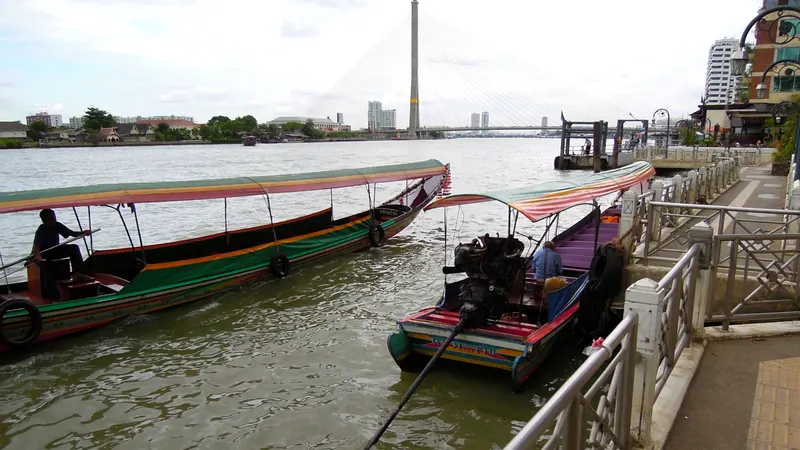
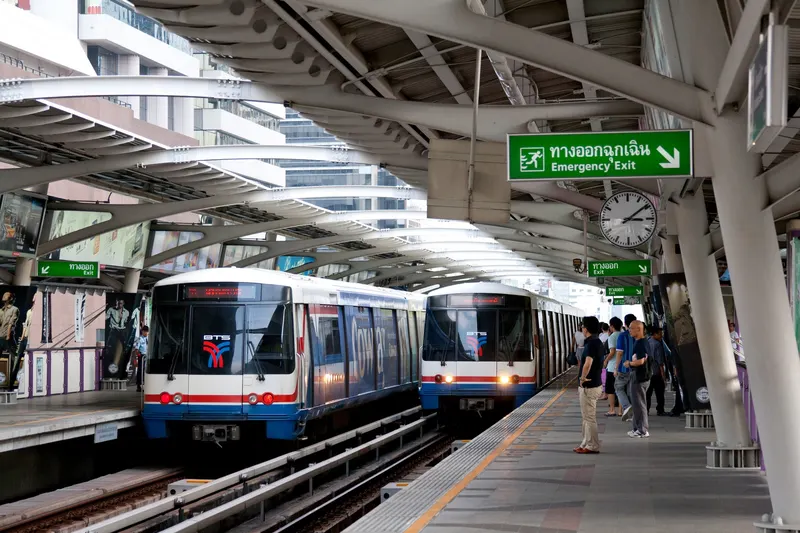
Your default is light, loose and breathable. Cotton and linen move air and dry faster than synthetics; tight or heavy fabrics turn a midday walk through the Old City into a soggy ordeal. Pack a couple more tops than you think you need, because you will sweat through them and want a fresh change before dinner. Counterintuitively, you also need a warm layer: malls, the BTS Skytrain, taxis and most restaurants crank the air-conditioning hard enough to feel genuinely cold after the street, and a light scarf or thin cardigan covers that gap while pulling double duty as a temple shoulder-wrap.
For shoes, prioritise breathability and easy on-off. You will remove footwear constantly at temples, some shops and many guesthouses, so slip-on sandals or low sneakers beat lace-up boots. Whatever you bring, walk it in first; new shoes plus swollen, humid feet is a recipe for blisters on Bangkok's uneven sidewalks. A small daypack beats a heavy shoulder bag for long, hot walks.
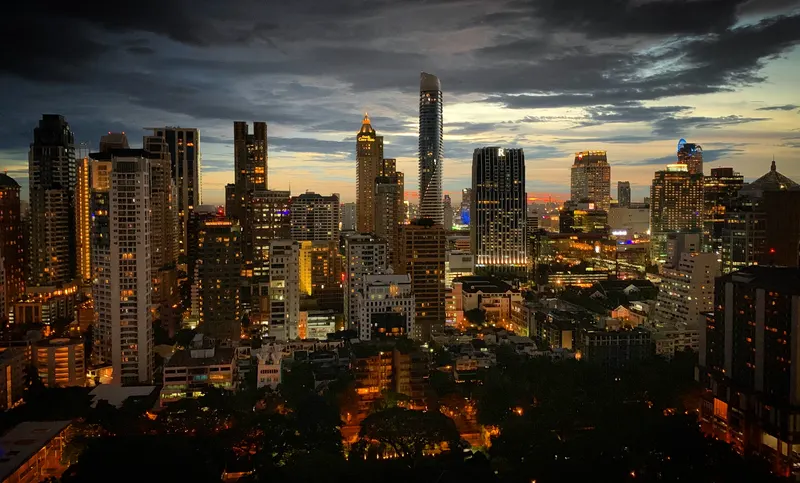
If your trip includes rooftop bars, pack one smarter outfit each — many of the marquee rooftops enforce a smart-casual dress code with closed shoes and no shorts. That one outfit covers both a temple morning's cover-up and a rooftop evening if you choose it well.

- Loose cotton or linen tops and trousers; a couple of extra shirts for the sweat factor.
- Light scarf or thin cardigan for cold air-conditioning and temple cover-up.
- Breathable sandals or broken-in sneakers; flip-flops for the hotel.
- A smarter outfit each for rooftop bars (closed shoes, no shorts).
- A small daypack rather than a heavy shoulder bag for long, hot walks.

Temples, rain and sun: the Bangkok-specific extras
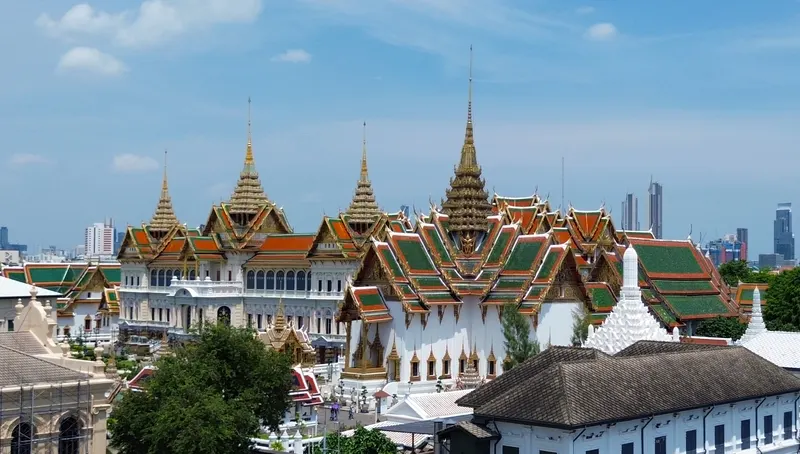
Thailand's temples have a real dress code: cover your shoulders and knees, and remove your shoes before entering the buildings. At the Grand Palace and Wat Phra Kaew it is strictly enforced; elsewhere it is simply respectful. The easiest move is to pack one ready-to-go temple outfit — lightweight long trousers or a long skirt plus a top with sleeves — so you are never turned away or stuck buying an overpriced cover-up at the gate.
From June through October, monsoon afternoons arrive quickly and pour hard for an hour before clearing. A compact umbrella or packable rain shell keeps a sudden downpour from derailing your day, and a small dry bag or zip-lock protects your phone and passport. Even in the dry months a folding umbrella doubles as sun shade in the brutal midday glare. Sun and mosquitoes are the other constants: reef-safe sunscreen, a hat and sunglasses handle the equatorial sun, and repellent matters near the river, in green spaces and on day trips.
If you are in town for Songkran in mid-April, pack as though you will be soaked, because on the main festival days you will be. Quick-dry clothes, a waterproof phone pouch or dry bag, and shoes you do not mind getting wet turn the city-wide water fight from a soggy surprise into the highlight it is meant to be. Bring any prescription medicines and a basic kit (rehydration salts, motion-sickness tablets for boats and minibuses), since pharmacies are common but specific brands are not guaranteed.

- One temple-ready outfit: knees and shoulders covered, easy slip-off shoes.
- Compact umbrella or rain shell, plus a zip-lock or dry bag for electronics.
- Reef-safe sunscreen, hat, sunglasses and mosquito repellent.
- For Songkran: quick-dry clothes, a waterproof phone pouch, shoes you can soak.
- Personal medications, rehydration salts and a small first-aid kit.
Tech, documents and a season-by-season checklist
Thailand uses 220V power with sockets that accept flat and round two-prong plugs, so many travelers need only a simple adapter, or none at all for dual-voltage chargers. Bring a power bank for long sightseeing days when your phone is juggling maps, ride-hailing and photos, and a local SIM or eSIM to keep all of that online. Keep your passport and a saved copy handy from the airport onward, since not every street stall or tuk-tuk takes cards, and a slim crossbody or money belt deters pickpockets in crowded markets. Pack a foldable tote, too, for market hauls.
Then adjust for the season. The hot months demand maximum sun protection and the lightest clothes you own; the rainy season needs reliable rain gear and quick-dry everything; the cool season is the most forgiving, though riverside evenings can feel breezy enough to warrant that extra layer. Whatever the month, pack light, leave room for what you will buy, and trust that almost anything you forget is cheap to replace here.
If you are bouncing between Bangkok and a beach or an upcountry day trip, add swimwear, reef-safe sunscreen and stronger repellent. Coverage and pharmacies thin a little outside the city, so carry the essentials you rely on rather than counting on finding them.
- Plug adapter (220V, two-prong), power bank and a local SIM or eSIM.
- Passport plus a backup copy and enough baht for cash-only stalls.
- Slim crossbody or money belt for crowded markets, plus a foldable tote.
- Hot months: heavy sun gear. Rainy: rain shell and quick-dry. Cool: a light layer.
Sources
- Tourism Authority of Thailand — weather ↗
Official seasonal overview (cool, hot and rainy seasons) for planning dates.
- Thai Meteorological Department ↗
Official forecast and climate data — check close to your trip.
- TAT — Songkran 2026 ↗
Official confirmation of the 13–15 April national Songkran holiday for 2026.