- Best time
- Late afternoon into golden hour
- Getting there
- Just south of Yaowarat
- Price
- Free to wander
- Best for
- Slow wanderers
Why Talat Noi rewards slow wandering
Talat Noi — "little market" — is the dense triangle of lanes between Charoen Krung and the Chao Phraya, just south of Yaowarat. For generations it was Bangkok's salvage-and-engine district, and you still see men hammering on truck axles in workshops with shrines on the back wall. In the last decade artists and café owners have moved in beside them, so a single soi might hold a 19th-century Hokkien shrine, a wall of street art and a flat white. There is no headline sight here; you come to walk and let the textures accumulate.
The whole area is flat and walkable, which makes it perfect for travelers who would rather drift than tick boxes. Give yourself a half-day, wear shoes you can sweat in, and don't over-plan the route — the point is to pick a lane and follow it. Start at the river end near Marine Department pier and let the sois pull you inland, or wander down from Yaowarat once you have eaten.
It works in any season with a little timing. The cool months (roughly November to February) make midday walking bearable; the rest of the year, go in the late afternoon, when the light softens, the workshops are still busy and the cafés are open for a cold drink. During a rainy-season downpour, duck into a café and wait it out — the showers here are usually short.

- A working salvage-and-engine quarter that artists and cafés have moved into
- Hokkien and Teochew shrines, street art and shophouse cafés on the same lanes
- Flat, compact and made for slow, unplanned walking
- Best in the cool season or the late afternoon; carry water and cash
Book ahead
No bookings needed to wander; cash helps, as many workshops, shrines and old shops don't take cards
The lanes, shrines and street art
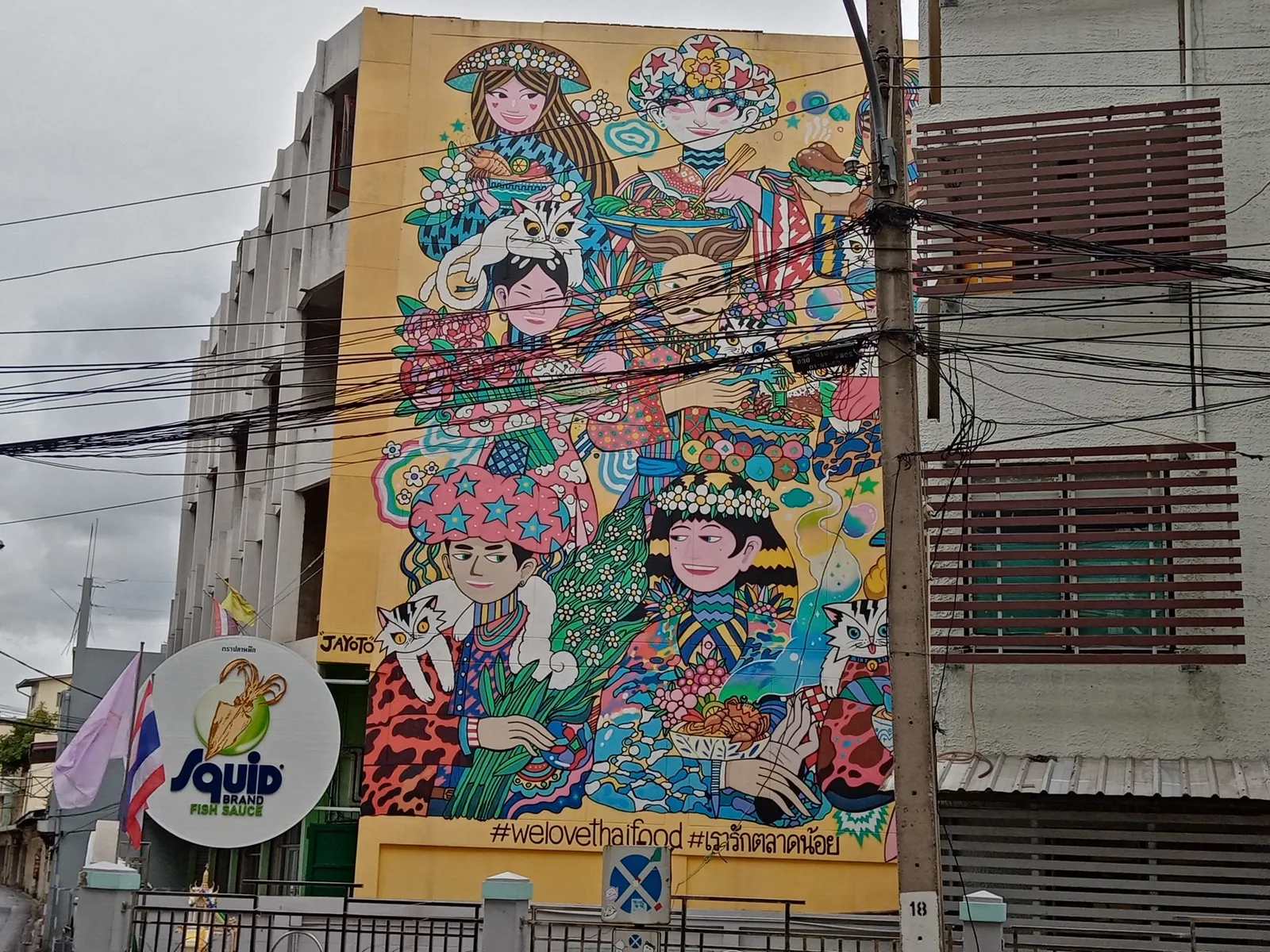
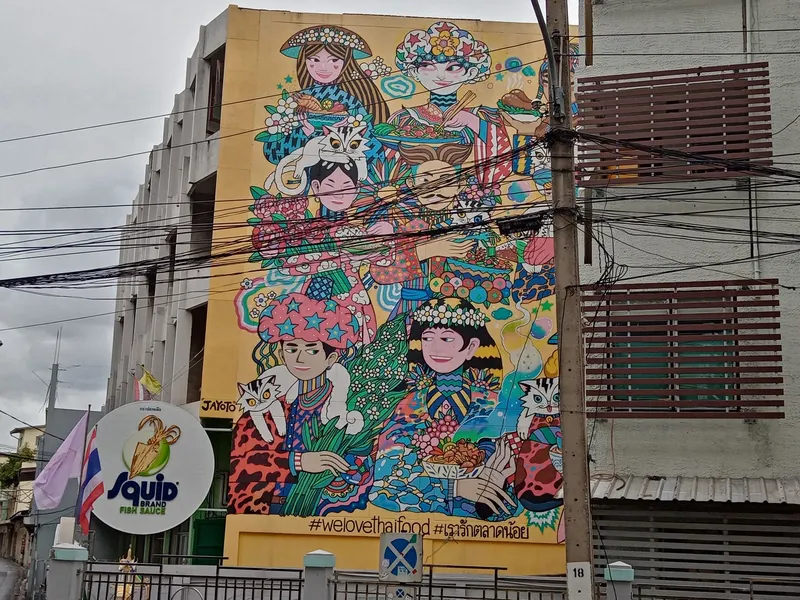
The signature scene is the engine workshops: stacked pistons, hubcaps nailed into walls and grease-dark interiors that have become accidental photo studios. Be respectful — these are working businesses, not a set — and ask before you point a lens at someone. Threaded through it all is the street art that has made Talat Noi a magnet for photographers. Murals of old women, mythical creatures and a famous robot built from scrap metal sit on walls between the shophouses, and finding them is half the fun, so resist the urge to follow an exact map.
Between the murals you will pass small Chinese shrines hazy with incense, the spiritual backbone of a neighborhood settled largely by Hokkien and Teochew Chinese — duck in quietly and leave the incense to the worshippers. The standout interior is So Heng Tai, a roughly 200-year-old Sino-Portuguese courtyard mansion built around a wooden gallery. Improbably, a dive school uses a pool sunk into the courtyard, and a small café lets you sit with a drink and take in the woodwork; there is usually a modest entry or minimum spend. Marine Department pier, at the river end, is a low-key spot to watch barges and long-tail traffic on the Chao Phraya.

- Engine workshops — stacked parts and grease-dark interiors; ask before photographing people
- Street art — the scrap-metal robot and the old-woman mural are the most-photographed pieces
- Lane shrines — duck in quietly; leave the incense to the worshippers
- So Heng Tai — courtyard mansion, dive pool and a quiet café, usually with a small entry/minimum spend
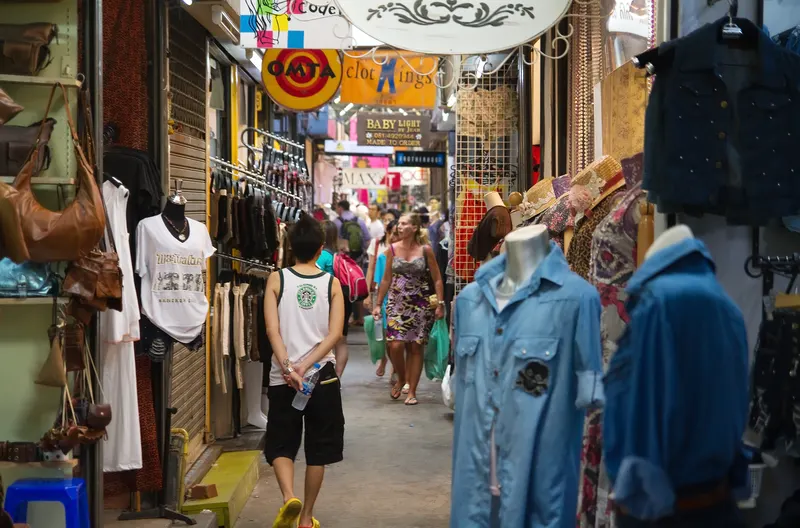
Design Week, cafés and a romantic river ending
Talat Noi comes into its own during Bangkok Design Week, when the Charoen Krung and Talat Noi lanes fill with installations, pop-up exhibitions, late-opening studios and walking routes that thread the shophouses together. The festival runs in the cool season and turns the neighborhood into one of the liveliest corners of the city for a week or two; check the official programme for the year's dates and the published routes, which change each edition. Outside the festival, the cafés are reason enough — this stretch holds one of the densest pockets of specialty coffee in the old city, with gorgeous light through tired shophouse windows.
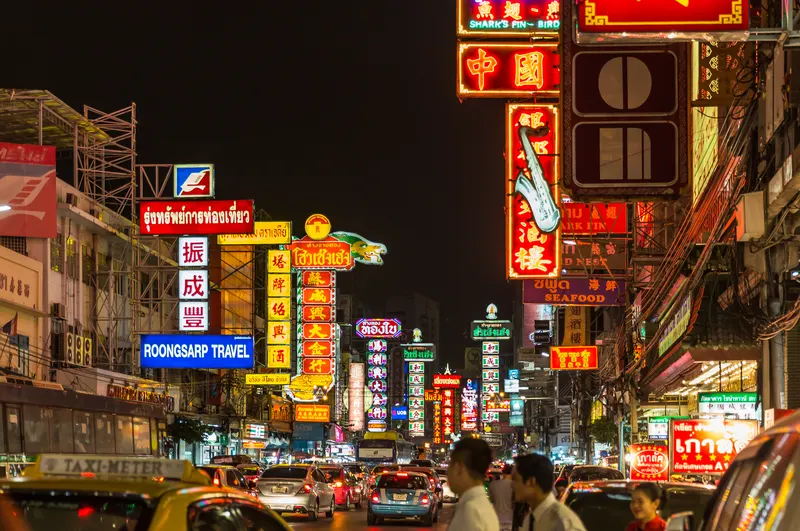
The best way to end an afternoon here is back at the water. Several Talat Noi piers and riverside cafés face west, so the late light turns the rice barges and ferries gold; in the cool season the air finally drops a few degrees and it is genuinely lovely. A river ferry one stop in either direction is cheap and counts as a date in itself, and Yaowarat's night-food street is a short walk north when your appetite catches up with you. For an onward move, Charoen Krung's grand riverside hotels and rooftop bars are walkable for a sundowner.

- Bangkok Design Week — cool-season installations and walking routes through the lanes
- The densest pocket of specialty cafés in the old city
- Golden hour on a Talat Noi pier — cheap, breezy and unfussily romantic
- Walk on to Yaowarat for street food once it is dark
How to plan your visit
Getting here is easy without the Skytrain. MRT Hua Lamphong is about a ten-minute walk to the eastern edge of the lanes, and the Chao Phraya boats stop at Marine Department and Ratchawong piers on the river side, so you can arrive on the water and walk inland. There is no single route worth memorising — the pleasure is in getting a little lost — but a clean loop runs from the river piers up through the workshop sois to So Heng Tai, then south along Charoen Krung toward the Creative District's galleries and cafés.
A few practicalities make the afternoon smoother. The lanes are narrow and shared with motorbikes, so step aside and they will thread past you; wear shoes you can sweat in, because the ground is uneven and often greasy near the workshops. Carry cash, as many workshops, shrines and old shops don't take cards, and keep your camera respectful — these are people's livelihoods and places of worship, not a film set. Allow a half-day if you want to linger over coffee and the mansion, or a focused couple of hours if you are only after the murals and the river.
For pacing, Talat Noi works beautifully as the daytime half of a longer plan: wander the lanes and cafés in the late afternoon, catch golden hour at a riverside pier, then walk fifteen minutes north into Yaowarat for dinner once the street-food stalls fire up. It also pairs naturally with the wider Creative District to the south and with an art-and-design itinerary that threads the riverside galleries together.
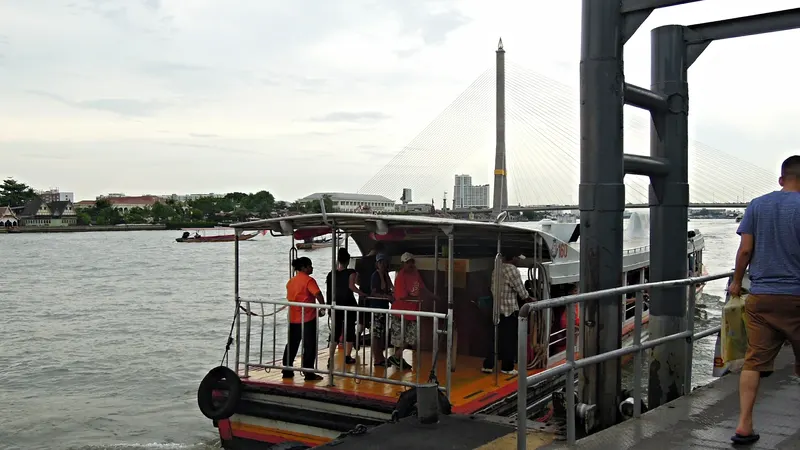
- Arrive via MRT Hua Lamphong or Chao Phraya boats to Marine Department / Ratchawong pier
- Loop from the river up to So Heng Tai, then south into the Creative District
- Cash, sturdy shoes and a respectful camera; step aside for motorbikes
- Half-day to linger, or a couple of focused hours for the murals and river
