- Time needed
- Doable as a long day if you leave by 7–8am
- Best time
- Cool season (roughly Nov–Feb) for dry days and a calm
- Best for
- Couples and families who want calm beach time
Why Hua Hin — and is it worth the drive?
Hua Hin has been Thailand's genteel seaside retreat since the 1920s, when the royal family built a summer palace here and the new railway brought Bangkok's elite down for the sea air. That heritage still shapes the town: it feels orderly, green and grown-up rather than rowdy, which is exactly why couples and families choose it over Pattaya. The bay is long and flat, the streets are walkable, and the mood is unhurried in a way that the capital never is.
The trade-off is distance. At roughly three hours each way, a same-day round trip means a lot of road for a few hours of beach. It works if you start early and treat it as a single, focused outing: the railway station, a swim, a seafood lunch and a market. But if you actually want to unwind, stay one night so you catch the soft evening light on the bay and the markets at their liveliest. For many travelers, that is the difference between ticking Hua Hin off and genuinely enjoying it.
Compared with the closer Gulf option, Hua Hin trades convenience for atmosphere. Pattaya is busier and quicker; Hua Hin is prettier, calmer and further. If your priority is the shortest possible drive, weigh it against Pattaya before committing your day — but if you want a real beach town rather than a beach strip, Hua Hin is the better answer.
- Best for: calm beach time, seafood, easy strolling and a slower pace than the capital.
- Less ideal for: anyone wanting a quick out-and-back or a party scene.
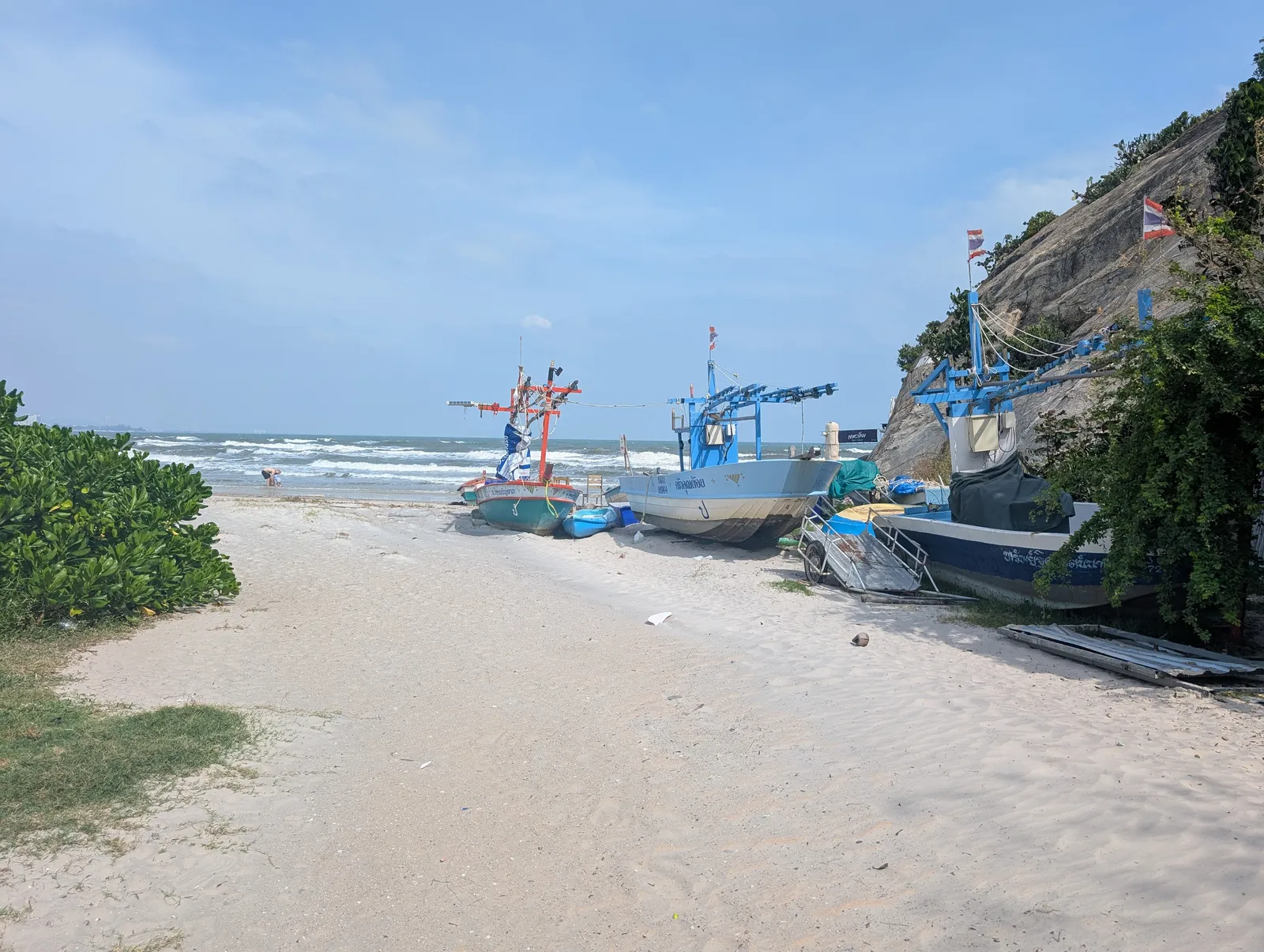
- The sand is flat and shallow far out, so it is friendly for waders and kids.

Book ahead
Carry cash for markets, songthaews and tuk-tuks; book trains and weekend rooms ahead in peak season
Getting there from Bangkok
The fastest option is a private car or minivan, which runs the motorway south and reaches Hua Hin in about three hours barring traffic out of the city. Public minivans and big air-conditioned buses leave from Bangkok's southern terminal and a few city pickup points, typically taking three to four hours; they are cheap and frequent, if cramped. A private car costs more but lets a couple or family set their own pace and add a detour on the way.
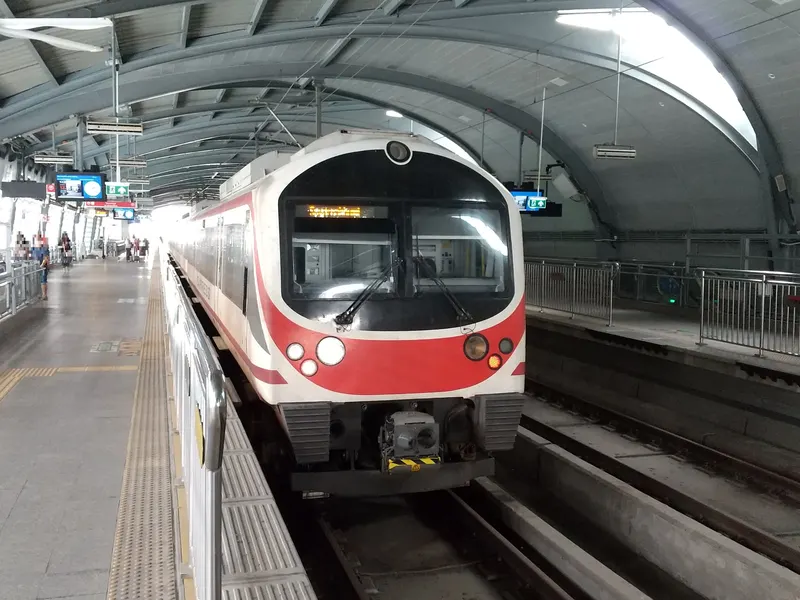
The romantic option is the train. State Railway of Thailand services run down the peninsula in roughly four to five hours or more and deposit you at that gorgeous wooden station right in the center of town. It is slower than the road, timetables are loose, and it is too long to combine comfortably with a same-day return, but the slow-travel charm is real and you arrive without needing a transfer. For an overnight, the train is a lovely way to go down and the bus a quick way back.
Whichever you pick, aim to leave Bangkok by seven or eight in the morning on a day trip. Friday and Sunday evenings clog the motorway with weekenders, so build in a buffer for the ride home. Around town, get about by songthaew, tuk-tuk or motorbike taxi; the center is compact and walkable, so you will not need much.
- Private car or minivan: ~3 hrs, most flexible, best for a tight one-day plan.
- Public bus or van from the southern terminal: ~3–4 hrs, cheap and frequent.
- Train: scenic but slow (4–5+ hrs), drops you at the historic royal station.
- Around town: songthaew, tuk-tuk or motorbike taxi; the center is walkable.
What to do once you arrive
Start at Hua Hin Railway Station, an Edwardian-era beauty in red and cream with a separate royal waiting room built for King Rama VI. It is a five-minute photo stop that anchors the town's whole identity. From there it is a short walk down to the beach, where the long bay curves gently and you can wade out a long way over flat, shallow sand — calmest in the morning before the afternoon breeze picks up.
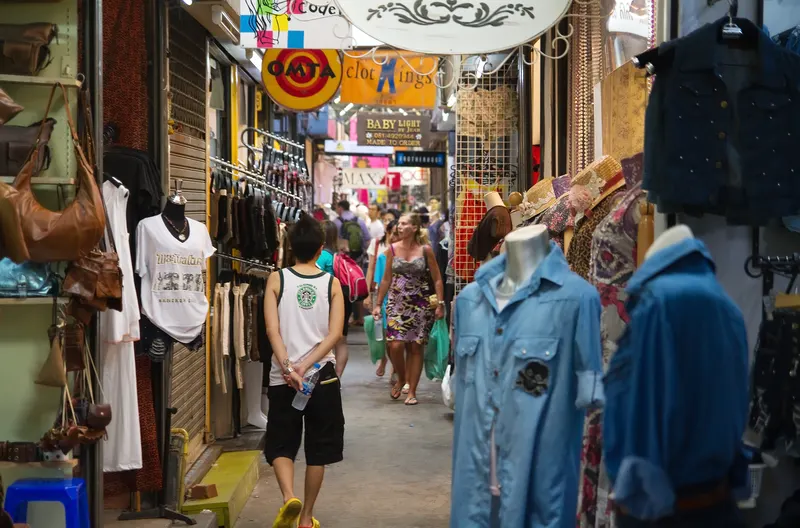
Spend the middle of the day on the sand or by a hotel pool, then break for a seafood lunch at one of the jetty restaurants near the old fishing pier, where you eat grilled fish and prawns over the water. In the late afternoon the markets come alive: the downtown night market is all grilled prawns and squid, sweets and souvenirs, while Cicada Market — open weekends — leans toward crafts, art stalls and live acoustic music in a leafy garden setting. Between them, the evening is easily filled without ever getting in a car.
If you have wheels and time, the area beyond town rewards a detour. The Phraya Nakhon cave, with its sunlit royal pavilion, sits south in Khao Sam Roi Yot national park, and the hillside vineyards inland make an easy, scenic stop. Cover shoulders and knees and remove your shoes if you visit any temple along the way, and check opening hours before you set out, as some of these sit well outside town.
- Hua Hin Railway Station: the iconic royal waiting pavilion, free to photograph.
- Hua Hin Beach: long, flat and shallow, gentlest in the morning calm.
- Night market: cheap grilled seafood, sweets and souvenirs after dark.
- Cicada Market: weekend crafts, art and live music in a garden setting.
- Optional detour with wheels: Phraya Nakhon cave or a hillside vineyard.

When to go and how to plan it
The cool season, roughly November to February, is the clear winner: dry days, lighter humidity and a flat, swimmable sea make it the high season for good reason. The hot season (roughly March to May) is fine for the beach but punishing in the midday sun, so plan early starts and seek shade. In the rainy/green months (roughly June to October) mornings are often bright and afternoons bring monsoon downpours, so front-load your sightseeing and keep a covered market or café for the wet hours.
For a one-day trip, the rhythm is simple: leave Bangkok early, photograph the station, swim before lunch, eat seafood, browse a market and roll home before the evening jam. For an overnight, you can slow everything down and enjoy the bay at dusk, which is when Hua Hin is at its most romantic and most itself. Two nights lets you add the cave or the vineyards without rushing — at which point it has quietly become a weekend rather than a day trip.
Bring sunscreen, a hat and cash for the markets and songthaews, where cards are rarely accepted. If the three-hour drive is more than you want for a single day, the closer Gulf coast at Pattaya covers a similar itch with less time on the road — so be honest with yourself about how much of the day you are willing to spend on the motorway before you choose.
- Cool season (Nov–Feb): best weather, calmest sea, busiest weekends.
- Hot season (Mar–May): the beach is good but midday sun is brutal — start early.
- Rainy season (Jun–Oct): bright mornings, monsoon afternoons; plan accordingly.
- Carry cash; many markets, songthaews and small stalls are cash-only.
Sources
- State Railway of Thailand ↗
Official booking and timetables for the southern-line train to Hua Hin (roughly 3–4+ hrs, 2026).
- Tourism Authority of Thailand ↗
Official tourism source for Hua Hin beaches, markets and seasonal travel.