- Time needed
- 45–60 minutes for the hall and courtyard
- Best time
- Morning for the quiet and the light
- Nearest
- MRT Sam Yot
- Price
- A modest fee for the temple grounds
The Giant Swing and a temple that time slowed down
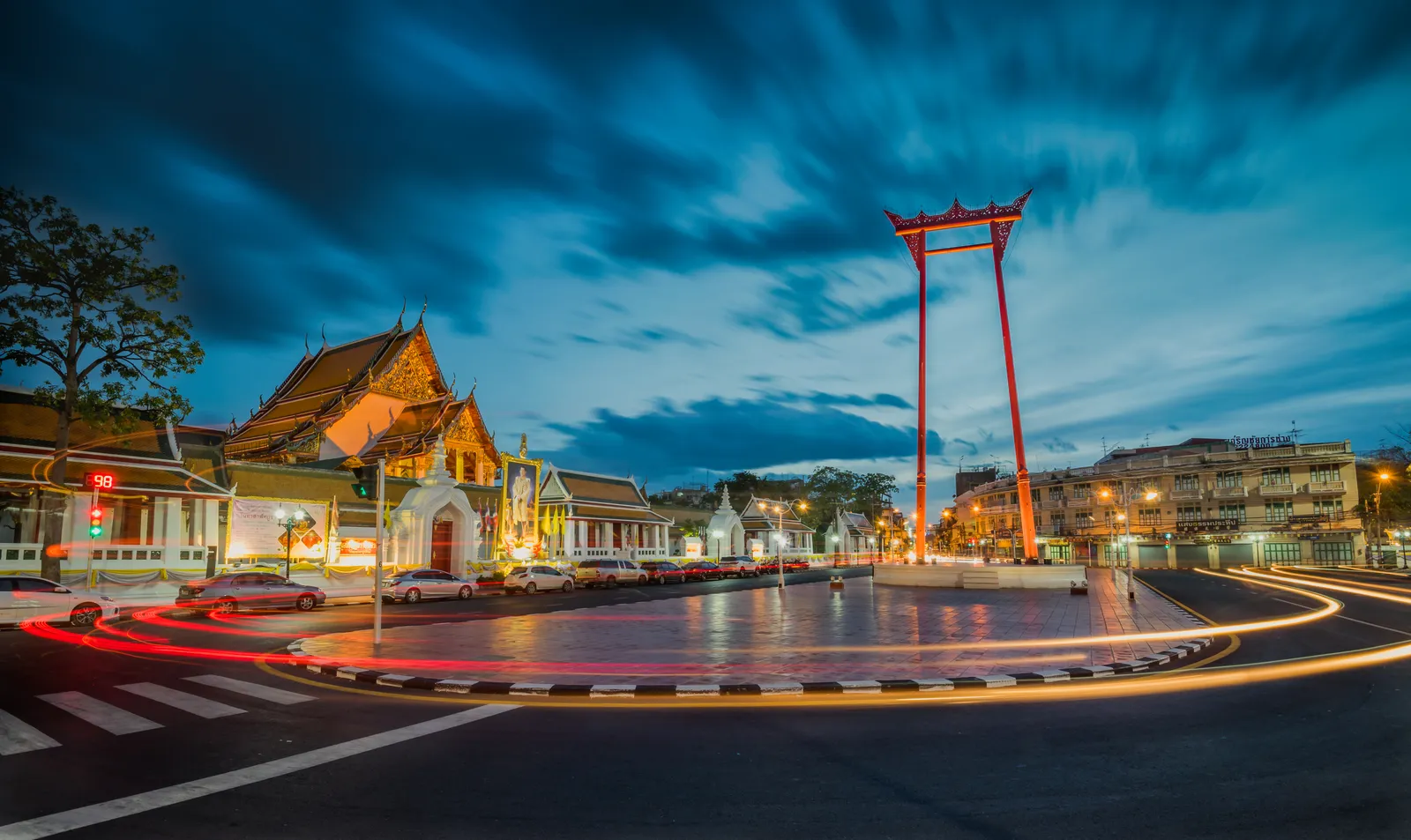
The Giant Swing, Sao Ching Cha, is the first thing you will see: two soaring teak pillars topped with an ornate red crossbar, planted in the middle of a wide intersection. It once hosted a dramatic Brahmin harvest ceremony in which young men swung high to grab a bag of coins on a pole — a ritual long since discontinued. What remains is pure landmark, best photographed with Wat Suthat's roofs rising behind it, and it costs nothing to circle and admire from the street.
Step through the temple gate and the noise of Rattanakosin drops away. Wat Suthat was begun under King Rama I and finished decades later, and it has the stately, slightly faded grandeur of a temple that predates Bangkok's tourist boom. The cloistered courtyard, lined with rows of golden Buddha images, is one of the most peaceful spaces in the Old City.
Inside the soaring viharn sits Phra Sri Sakyamuni, a graceful bronze Buddha brought down from Sukhothai by boat. Take time with the surrounding murals — dense, story-packed scenes of past lives and Buddhist cosmology that reward a slow, quiet look. As at any temple, cover your shoulders and knees and remove your shoes before entering the halls.
- Admission is a modest fee for the temple grounds; the Giant Swing itself is free to view
- Go in the morning for cool air and soft light, or late afternoon when tour groups move on
- Bring a light scarf or sarong to cover up; nearby vendors sell them if you forget
- Photography is fine in the courtyard; be discreet and respectful inside the prayer halls
Dress code
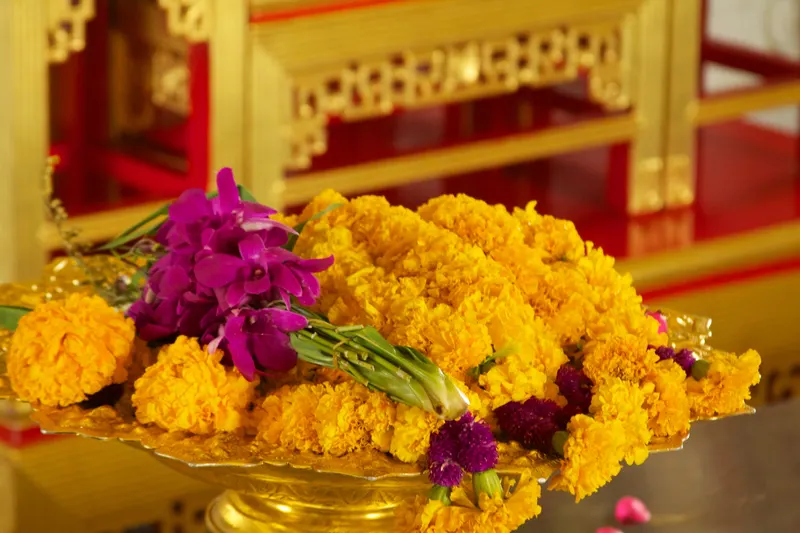
Working temple — cover shoulders and knees, remove shoes before entering the prayer halls
Wandering the Old City around it
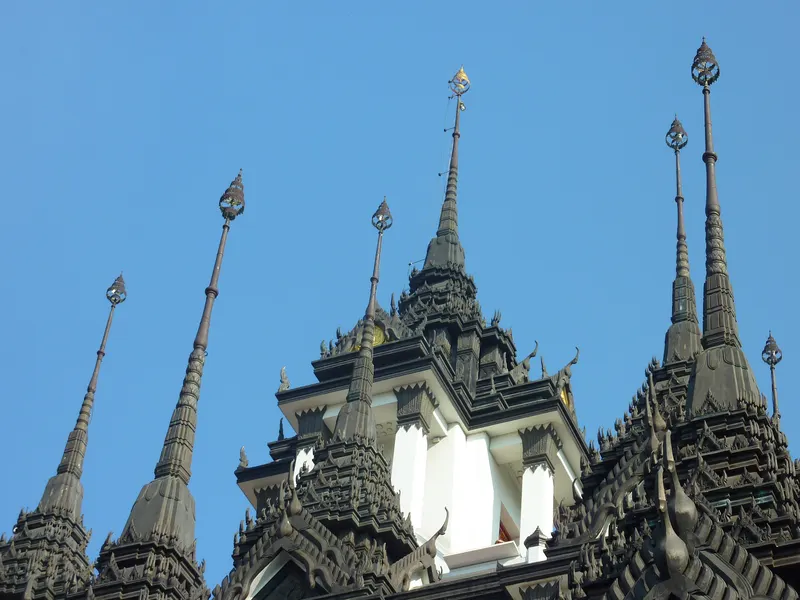
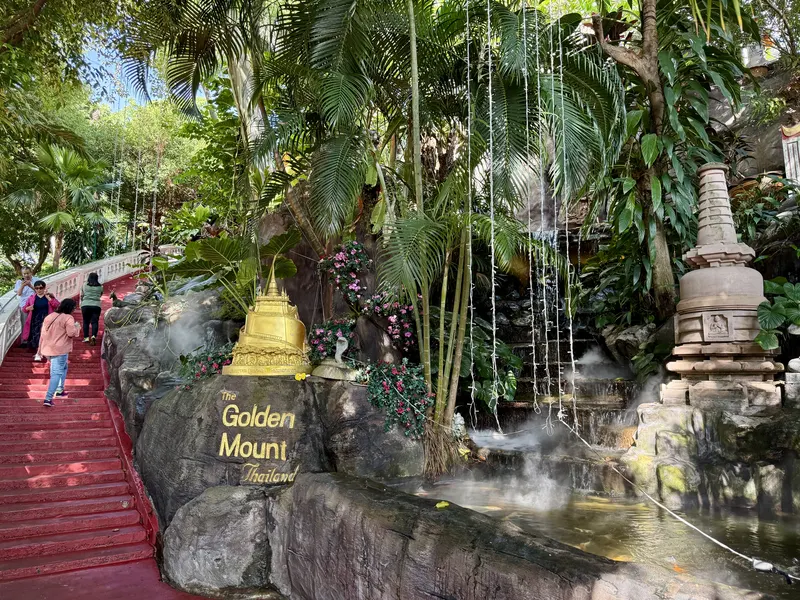
Wat Suthat sits in the densest cluster of temples in Bangkok, which makes it a natural anchor for an Old City walk. From the Giant Swing it is a five-minute stroll to Loha Prasat, the unmistakable iron-spired temple at Wat Ratchanatda, and not much farther to the Golden Mount, where a spiral climb earns you a 360-degree view over the rooftops of Rattanakosin.
The lanes immediately around the temple, especially Bamrung Mueang Road, are lined with shops selling monks' robes, alms bowls, candles and gleaming gold Buddha images of every size. It is a working religious-supply district rather than a tourist trap, and one of the more atmospheric streets to wander in the whole city.
Because everything here is walkable, you do not need transport between stops — though the heat in March through May can be punishing by midday. Plan temple-hopping for the cooler hours and duck into a café or a shaded courtyard when the sun is high. The Old City also hides some of Bangkok's most storied noodle and curry shops, still operating from the same shophouses they have used for generations, so build a meal into the loop.
- Five-minute walk to Loha Prasat; a little farther to the Golden Mount
- Bamrung Mueang Road: the city's monk-supply and Buddha-image trade
- Everything is walkable — plan the loop for the cooler morning hours
- End with an Old City noodle or curry shop for a sense of the neighborhood

Getting there and making a half-day of it
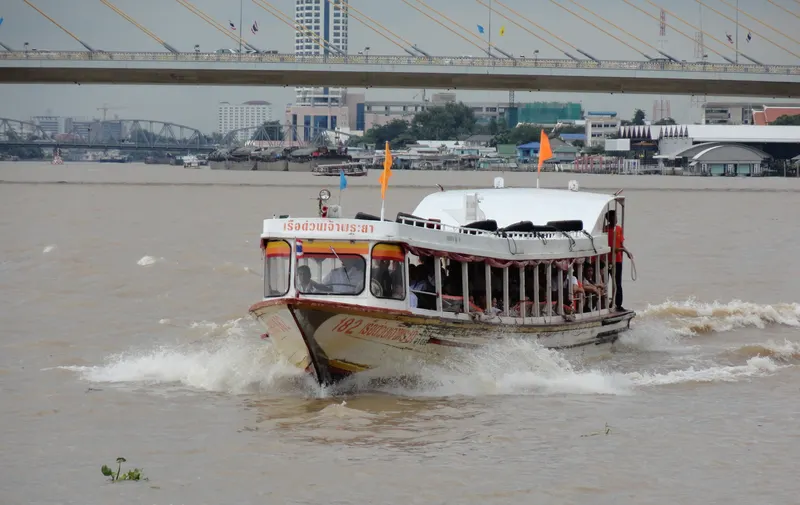
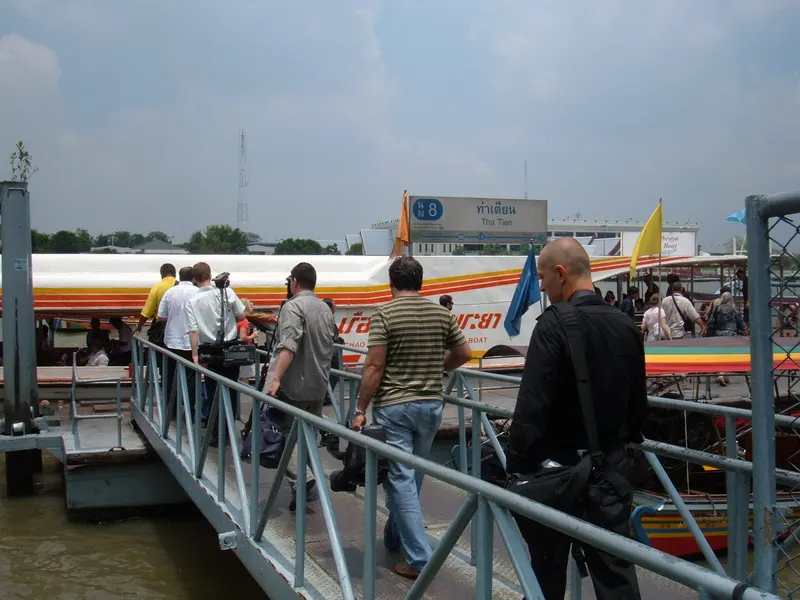
Wat Suthat is in the heart of Rattanakosin, away from the BTS and MRT lines, so most people arrive by taxi or Grab. The nearest metro is MRT Sam Yot, a walk south through the Old City, and from the river the Tha Tien and Phra Athit piers are within reach too, letting you pair the temple with a Chao Phraya boat ride.
Give the area half a day and chain it with neighbors: the Giant Swing and Wat Suthat, then Loha Prasat and the Golden Mount. It is an easy, rewarding loop with far fewer crowds than the Grand Palace circuit a kilometer west. If you want both the heavyweight temples and these quieter ones in a single day, do the big royal sights early while they are coolest and least crowded, then drift east to Wat Suthat for the calm.
Note that temples may close some halls on certain Buddhist holidays, so build in a little flexibility, and confirm current entry and hours before you go. Mornings are quietest; a hot afternoon is actually a fine time to come, because the shaded hall and cloisters are one of the few genuinely cool, calm refuges in the Old City.
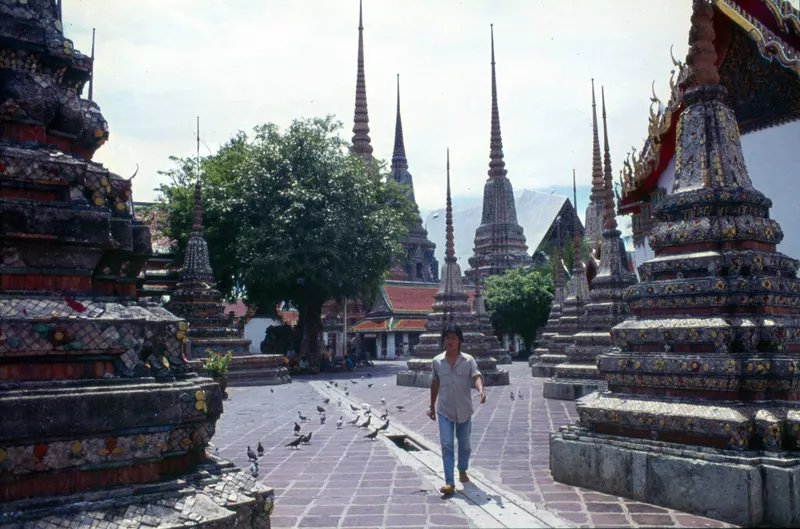

The Grand Palace & Wat Phra Kaew
Bangkok's most iconic complex — the former royal residence and the Temple of the Emerald Buddha. Go early; strict dress code.
Map pins
Map data © OpenStreetMap contributors · Tiles © OpenFreeMap